


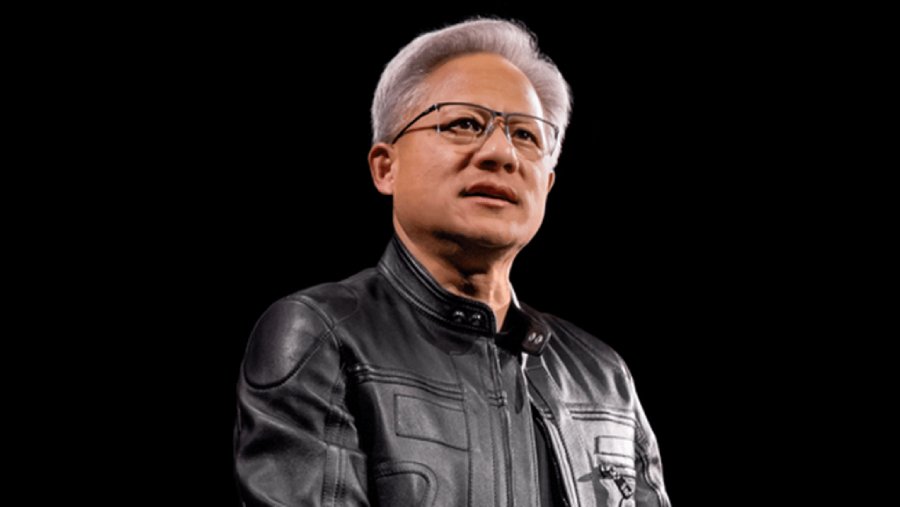
Jensen Huang’s supporters want him back. Nvidia’s customers need clarity on what comes next.
An online campaign called “Stand with Jensen” is calling for Nvidia’s board to reinstate its co-founder while an independent investigation continues. Elon Musk and other technology leaders have supported the push, although the campaign says signers’ affiliations are self-reported and unverified.
Nvidia announced Huang’s resignation on Nov. 12 after 33 years at the helm, effective Nov. 11. Huang had acknowledged infidelity without naming the other person. Separately, The New York Times reported a relationship with Alice Huang, a former executive at Singapore-based Megaspeed whom US authorities reportedly identified as a Chinese intelligence asset. The board named CFO Colette Kress interim CEO.
Inside the ‘Stand with Jensen’ revolt
The open letter argues the board acted prematurely before independent investigators finished their work. The petition asks the board to “bring him back while an independent investigation establishes the facts” and warns against punishing suspicion alone. “Jensen deserves due process, not mob justice,” the letter states.
The campaign lists supporters identifying themselves as shareholders, current and former Nvidia employees, and members of the public. Those affiliations are not independently verified.
Major investors Brad Gerstner of Altimeter Capital and Gavin Baker of Atreides Management sent a separate letter urging the board not to rush a permanent replacement. Musk warned on X that without Huang, some “critical deals will be lost.”
Governance gridlock meets national security
The campaign faces a significant obstacle: Nvidia’s board is reportedly not considering Huang’s return. The Washington Post reported that position on Nov. 16, citing a person familiar with the board’s thinking.
Nvidia’s independent directors have also retained Joon H. Kim and Wachtell, Lipton, Rosen & Katz to conduct an independent investigation.
Organizers said they were working to remove fake signatures, according to Business Insider. Separately, Nvidia Vice President Bryan Catanzaro dismissed a purported employee letter carrying his name as fake and backed the board and Kress. His denial concerned that separate letter. Counterpoint Research Vice President Neil Shah told CNBC that a return could benefit Nvidia’s stock, but questioned whether tighter board oversight would limit Huang’s effectiveness.
More must-read AI coverage
- SS&C Intralinks DealCentre AI vs. Datasite: Which platform is built for the future of dealmaking?
- SS&C Intralinks FundCentre AI vs. Juniper Square: Which platform better supports modern private markets fund managers?
- Why Data, Not Models, Determines AI Success
- The Rise of the AI-Native Factory: How Physical AI Is Transforming Manufacturing
What enterprise IT and AI buyers should check
Nvidia’s board says it expects operations, customer commitments, and its product roadmap to continue without interruption. The leadership transition gives buyers a reason to verify their arrangements, but the petition itself does not establish that deliveries, support, or investment programs have changed.
| Hardware delivery | Ask the server vendor or reseller to reconfirm shipment dates, configurations, and deployment milestones in writing. |
| Cloud GPU capacity | Confirm reserved capacity, renewal terms, and escalation contacts with the provider. |
| Support | Check whether account ownership, response commitments, or escalation procedures have changed. |
| Product roadmap | Compare any announced changes with the Vera Rubin roadmap and the assumptions behind planned purchases. |
Startups with a proposed Nvidia investment or strategic partnership should confirm approval status, outstanding conditions, and who is authorized to make decisions.
Buyers should also assess supplier risks individually. Nvidia’s reported chip-tracking requirements in Southeast Asia raise separate questions about hardware oversight and provider eligibility that a leadership change alone would not resolve.
Organizations considering alternative computing capacity should assess software compatibility, migration effort, availability, and total cost before committing. Contingency planning should reflect the requirements of the workload and any documented supplier changes.
Nvidia’s fiscal 2027 third-quarter earnings call is scheduled for Nov. 17 at 2 p.m. Pacific. Watch for concrete changes affecting availability, support, or deployment plans, then confirm relevant details with suppliers before revising purchasing decisions.
Read more: Explore how Nvidia’s new AI infrastructure tools aim to reduce security risks and operating costs as businesses expand their use of AI agents.