


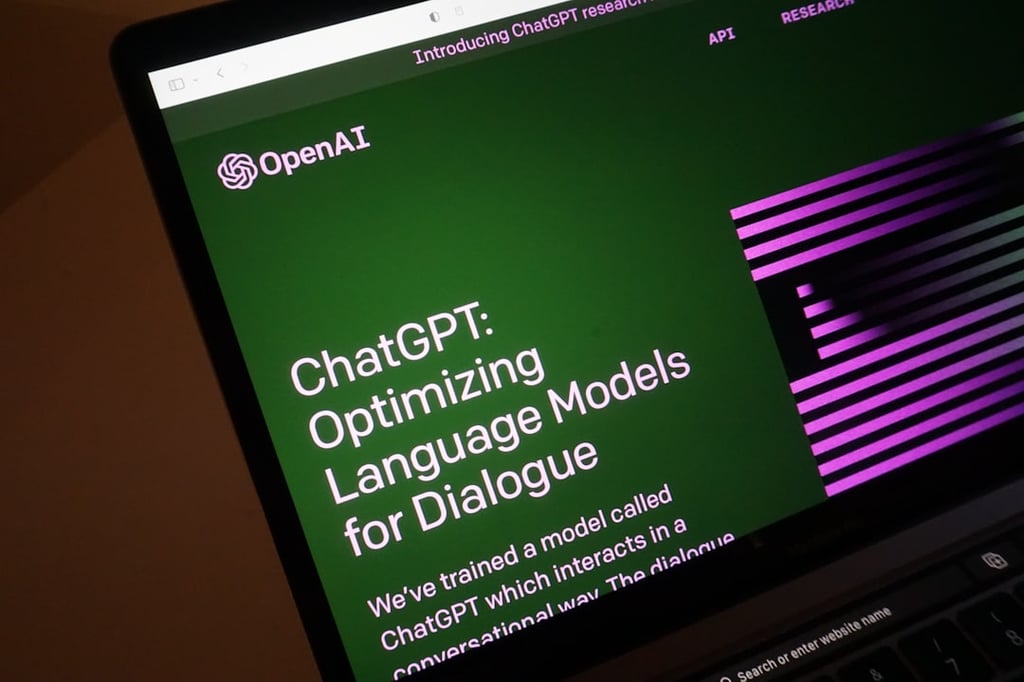
Atlas shrugged? No, this Atlas is open to a world of possibilities.
OpenAI has unleashed its highly anticipated ChatGPT Atlas browser, putting artificial intelligence at the center of web browsing in ways we have not seen before.
This is not just another browser with AI features sprinkled on top, ChatGPT Atlas is a rethinking of how we interact with the web. The browser integrates ChatGPT capabilities directly into the browsing experience, turning traditional navigation into something closer to an intelligent conversation with the internet itself.
The timing is calculated. Google Chrome dominates with billions of users worldwide, and OpenAI is moving as AI becomes the new battleground for tech supremacy. It also marks OpenAI’s major expansion beyond its ChatGPT chatbot platform into the very foundation of how people access information online.
The death of traditional browsing?
This AI-powered browser is designed to keep some user interactions within a ChatGPT-like native chat interface rather than directing users to external sites.
Consider the implications. Instead of clicking through multiple websites, reading lengthy articles, and piecing together information from various sources, users could get comprehensive answers and complete tasks without leaving the browser’s AI interface. Why visit ten tabs if one chat gets it done?
That shift could spell trouble for traditional websites that rely on direct traffic. If it works, OpenAI’s model might reduce the need to visit individual sites, altering how businesses reach customers and how content creators build audiences.
The ambitious global rollout
The browser initially launches for macOS users worldwide, with support for Windows, iOS, and Android coming soon.
The staged rollout mirrors familiar playbooks, start with one platform, then expand globally.
What makes this launch especially threatening to rivals is OpenAI’s built-in audience. With ChatGPT’s 800 million weekly active users potentially adopting the browser, it could grab meaningful market share quickly. For Google, that raises a different concern, it could pressure advertising revenue streams by changing how people discover and interact with web content.
The internet’s future
By challenging Chrome’s market dominance and Google’s search and advertising model, OpenAI is aiming at the center of how information gets discovered and consumed online.
If the browser can deliver comprehensive answers without traditional site visits, the relationship between users, content, and the web could change. For everyday users, that promises faster, more efficient experiences where AI handles the heavy lifting of gathering and synthesizing information.
We may be watching the opening chapter of a post traditional web era. The real question is not whether AI will transform browsing, it is whether OpenAI’s bold vision becomes the new standard for how humanity interacts with the internet.
It seems another kind of battle was being planned. According to an NBC News investigation, several of OpenAI’s advanced models, including those accessible through ChatGPT, were tricked into providing instructions on how to create weapons.