


Elon Musk may have found a shortcut into America’s wireless market after AT&T, T-Mobile and Verizon rejected his attempts to secure access to their networks.
SpaceX is in discussions with EchoStar about acquiring Boost Mobile or securing access to its existing wireless network, according to a report by The Washington Post citing people familiar with the negotiations.
Musk has reportedly taken a personal interest in the discussions, meeting with EchoStar Chairman Charlie Ergen in October to explore a potential arrangement.
Either option could give SpaceX an established route into the US wireless business without having to build an entire cellular network from scratch. According to EchoStar’s regulatory filing, its wireless business operates primarily through a hybrid model that retains its own mobile core while using AT&T’s network services, alongside mobile virtual network operator arrangements. Acquiring Boost would therefore not give SpaceX an independent nationwide radio network.
That arrangement could complicate a potential acquisition. The Washington Post reported that existing network agreements generally cannot transfer to a new owner without the underlying carriers’ approval. Neither SpaceX nor EchoStar has publicly confirmed the negotiations.
Starlink Mobile needs more than satellites
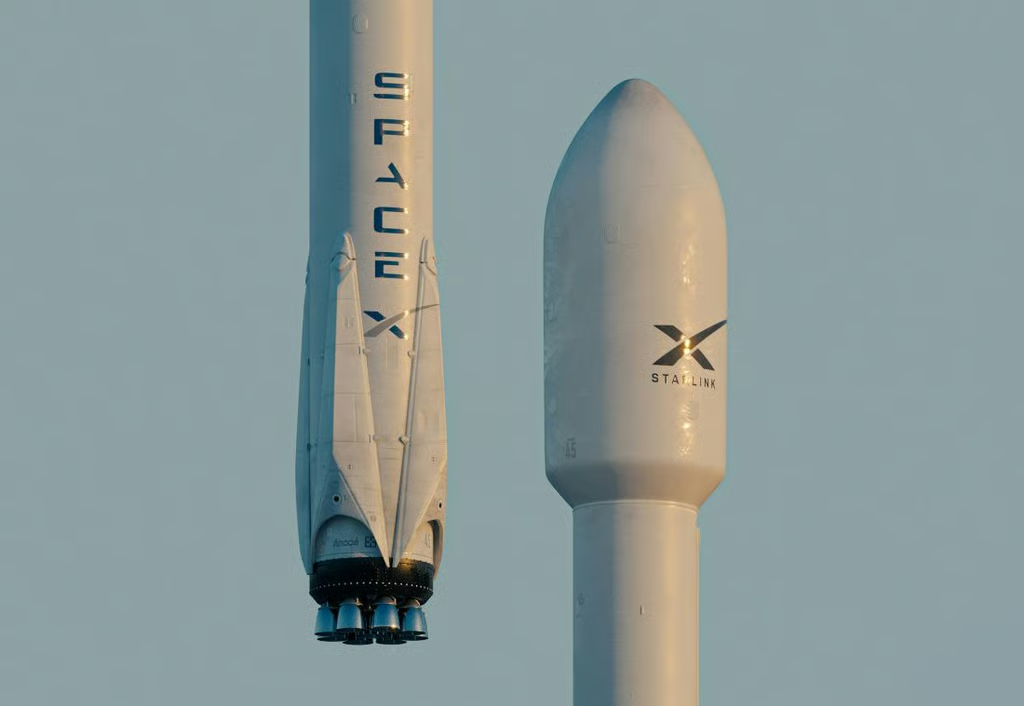
The discussions fit into SpaceX’s plans to turn Starlink into a major US mobile carrier through a combination of satellite connectivity and traditional cellular infrastructure. The company has acquired spectrum assets from EchoStar and separately announced an October agreement to acquire nationwide 800 MHz spectrum from Grain Management. Reuters, citing The Wall Street Journal, reported a price of about $8 billion; financial terms were not disclosed.
Musk described the low-band agreement as the last critical piece of SpaceX’s spectrum plans for nationwide phone coverage. SpaceX said deployment using the spectrum remains subject to final FCC approval. However, satellite connectivity still faces practical limitations within the wider telecommunications landscape. Dense urban environments and indoor locations remain difficult to serve directly from orbit, making access to terrestrial cell towers important.
SpaceX is also reportedly seeking access to at least 80,000 US cell sites, according to Bloomberg reporting. A Boost Mobile arrangement could help SpaceX secure terrestrial network access, while an acquisition could also bring an established customer base.
The business challenge behind Musk’s wireless ambitions
The US wireless market represents an estimated $235 billion opportunity, according to research firm MoffettNathanson, cited by The Washington Post. EchoStar reported approximately 7.19 million wireless subscribers as of Sept. 30, primarily under its Boost Mobile and Gen Mobile brands.
An acquisition could give SpaceX an established customer base and distribution operation. A network-access agreement alone would not necessarily transfer Boost’s subscribers. The bigger challenge is securing the network agreements needed to operate. Even if SpaceX purchases Boost Mobile, AT&T and T-Mobile could refuse to extend their existing arrangements to the new owner.
Operating a wireless service would also require investment in customer support, handset promotions, and network infrastructure.
What business mobile buyers should check before switching
The reported talks do not establish new prices, coverage guarantees, or device requirements. Businesses using Boost lines should assess any eventual announcement against their existing plans, handset inventory, and renewal dates.
A network-access agreement and an acquisition would have different implications. Access alone would not necessarily change Boost’s ownership or customer relationships. An acquisition could eventually bring changes to billing, support, or service plans, but those would depend on terms that have not been announced.
For IT teams, the first test of any future SpaceX service should be coverage where employees actually work: inside offices, at customer locations, and along regular travel routes. Buyers should establish which calling, messaging, and data functions work over satellite and which depend on terrestrial coverage.
Device compatibility also needs checking at the handset level. Before switching company lines, teams should confirm support for their exact phone models, SIM or eSIM configurations, and required software. Satellite availability should be evaluated separately from ordinary cellular coverage.
Finally, compare hotspot allowances, roaming charges, data restrictions, account administration, and support escalation. A limited pilot would help establish whether a future offering can support everyday business applications before committing a larger mobile fleet.
Read more: As SpaceX pursues a broader wireless service, Starlink’s recent disruption highlights why businesses need tested backup connectivity.