


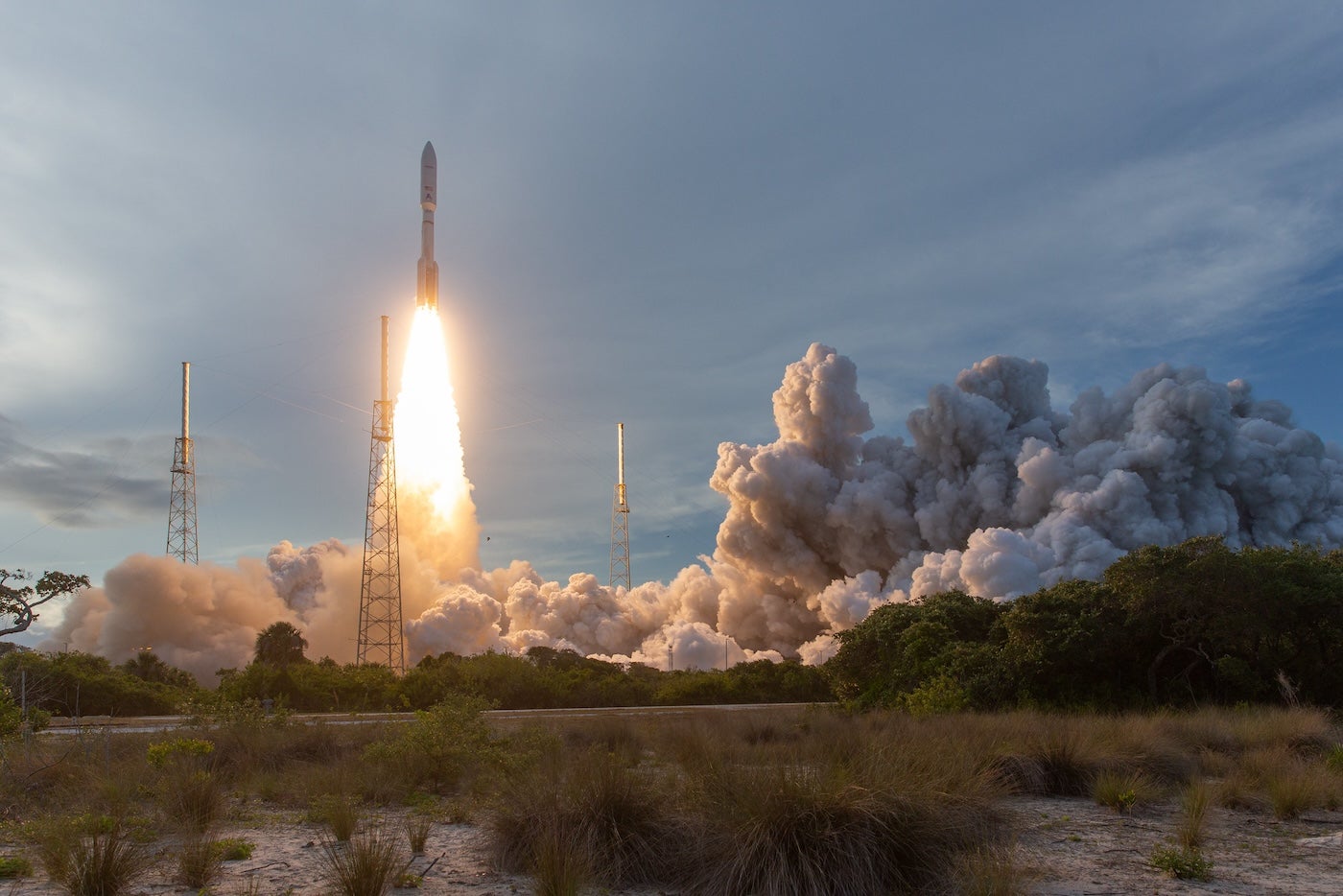
Amazon launched the first operational set of its Project Kuiper broadband satellites on April 28, marking a key milestone in the company’s bid to rival Elon Musk’s Starlink in the satellite internet market. Originally slated for an April 9 liftoff, the launch was delayed due to adverse weather conditions.
Initial Kuiper launch includes 27 satellites
A United Launch Alliance Atlas V rocket lifted off from Cape Canaveral Space Force Station in Florida carrying 27 satellites. The payload was successfully deployed into low-Earth orbit, approximately 280 miles above the planet’s surface. From this altitude, the satellites will beam broadband internet signals back to Earth.
“This launch is an incredible milestone in Amazon’s ambitious initiative to provide fast, reliable broadband service to unserved and underserved communities around the world,” said Gary Wentz, ULA vice president of Government and Commercial Programs, in a press release. “We have worked diligently with the Project Kuiper team to place this important mission on orbit and are grateful for the opportunity to continue building upon this dynamic partnership.”
SEE: Amazon and NVIDIA denied rumors that both are scaling back on AI commitments due to tariffs.
What's hot at TechRepublic
- Blackpoint Cyber vs. Arctic Wolf: Which MDR Solution is Right for You?
- Why AWS Sellers Choose Deepgram Over Other Voice AI Tools
- SS&C Intralinks DealCentre AI vs. Datasite: Which platform is built for the future of dealmaking?
- SS&C Intralinks FundCentre AI vs. Juniper Square: Which platform better supports modern private markets fund managers?
- Verito vs. Rightworks: Which IT Provider Is Best for Your Firm?
Amazon aims to deploy about 3,200 satellites for the full Kuiper constellation. Each coated with a dielectric mirror film designed to reduce their reflectivity and limit disruption to astronomical observations. The company expects to begin offering satellite internet to customers in late 2025.
Amazon competing with Starlink, OneWeb, and others
Amazon is entering a crowded field that includes SpaceX’s Starlink, Globalstar — which partners with Apple on emergency SOS features — and UK-based OneWeb. Some analysts, including those cited by CNN, have expressed skepticism over Amazon’s timing, suggesting it may be too late to capture a significant share of the satellite internet market.
Raymond James, a financial services firm, estimates that deploying Kuiper’s first-generation satellite infrastructure could cost up to $17 billion, with ongoing operational expenses in the billions annually, even if the project begins generating revenue.
Potential customers include telecommunications firms, government agencies, and enterprise users. According to CNN, Amazon could integrate Kuiper with Amazon Web Services or use it to maintain connectivity for its delivery fleet in remote areas lacking ground-based internet infrastructure.