


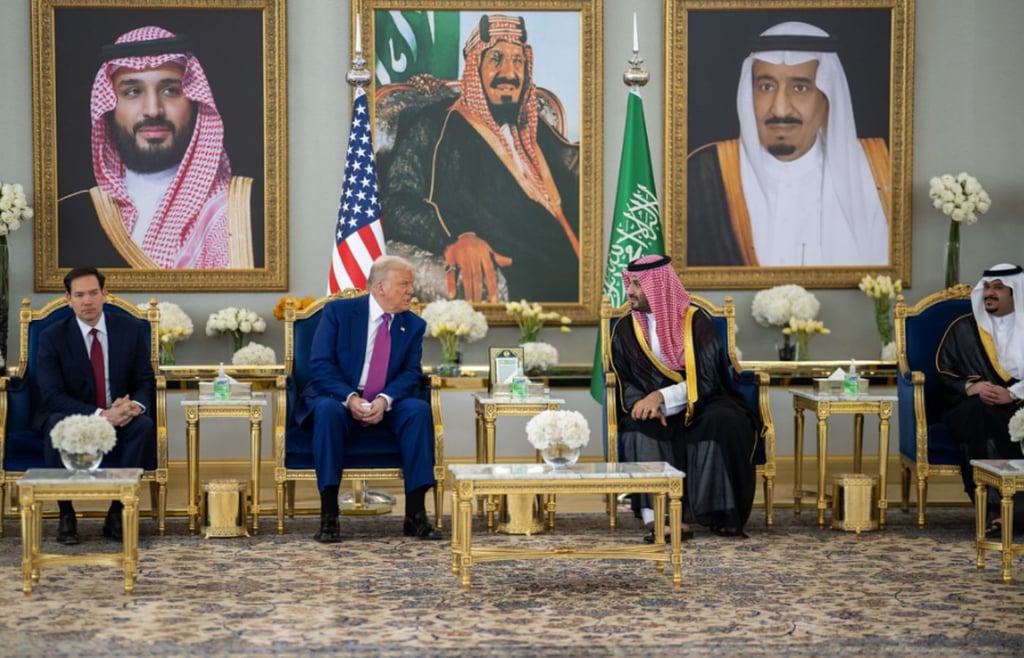
AI chips are becoming as much a diplomatic tool as a technological one.
The United States has upgraded the United Arab Emirates’ export status, giving the Gulf nation license-free access to advanced AI chips and servers after recognizing its support for U.S. security operations during the recent Iran conflict.
The U.S. Department of Commerce’s Bureau of Industry and Security (BIS) announced Friday that it is removing the UAE from restrictive export control groups under the Export Administration Regulations (EAR) and placing it in Country Group A:5, a category that includes several close U.S. partners.
According to BIS, the change reflects the UAE’s role as a U.S. Major Defense Partner and its support for American national security interests, including Operation Epic Fury.
The new status allows the UAE government and approved companies to receive license-free exports of advanced computing hardware, including AI chips and servers, under the U.S.-UAE Artificial Intelligence Cooperation framework signed in May 2025. BIS also said the UAE has committed to matching U.S. investments in AI digital infrastructure.
Beyond AI hardware, the new designation opens license-free access to selected military-related technologies, commercial satellites, spacecraft, and dual-use technologies for industries including energy, desalination, and civil nuclear power.
G42 and U.S. tech firms stand to benefit
The policy change is expected to provide an immediate boost for G42, the UAE’s flagship artificial intelligence company.
According to The Wall Street Journal, G42 will now be able to purchase advanced AI chips from Nvidia without the lengthy licensing process that previously delayed exports for months. The outlet also reported that Microsoft and OpenAI could move forward more easily with planned data center projects in the UAE because export restrictions on AI hardware have been eased.
Industry analysts cited by The Wall Street Journal estimate the expanded chip access could be worth billions of dollars for the UAE’s AI ambitions.
Political debate follows the decision
The decision has sparked criticism in Washington.
Rep. Sydney Kamlager-Dove questioned whether the policy was influenced by financial ties between the Trump family and UAE-backed investments, saying, “It smells like it could be an illegal pay-to-play scheme.” Commerce Department official Jeffrey Kessler rejected those concerns during a House hearing, saying, “It is one of the most significant achievements of the administration.”
The White House has denied any conflict of interest, per The Journal. Some security experts have also raised concerns about expanding access to advanced computing infrastructure outside the United States.
As quoted by The Journal, Hudson Institute senior fellow Michael Sobolik said, “The UAE has been a great partner with Iran, but that doesn’t necessarily mean they’ve demonstrated the capability to keep a data center secure.”
What's hot at TechRepublic
- Blackpoint Cyber vs. Arctic Wolf: Which MDR Solution is Right for You?
- Why AWS Sellers Choose Deepgram Over Other Voice AI Tools
- SS&C Intralinks DealCentre AI vs. Datasite: Which platform is built for the future of dealmaking?
- SS&C Intralinks FundCentre AI vs. Juniper Square: Which platform better supports modern private markets fund managers?
- Verito vs. Rightworks: Which IT Provider Is Best for Your Firm?
What this means for the AI industry
The announcement highlights how advanced AI chips have become more than commercial products; they are now strategic diplomatic assets. By linking export privileges to defense cooperation and long-term investment commitments, Washington is increasingly using access to cutting-edge AI technology as part of its broader foreign policy toolkit.
For technology companies, the change removes regulatory hurdles that could accelerate AI infrastructure projects across the Gulf. For the UAE, it strengthens its effort to become a regional AI hub while attracting more American investment and technology.
The policy underscores how access to advanced AI hardware is increasingly tied to geopolitics rather than commerce alone. As governments compete for AI leadership, export controls are likely to become an even more influential tool in shaping international partnerships and investment.
In Other News: Apple’s canceled car project may have paved the way for its next generation of AI chips, with Project Titan reportedly shaping the Neural Engine and future M7 processors.