J.R. Johnivan is a technology writer and computer repair professional with 20 years of experience working with hardware, software, and business technology. His work explores emerging technologies, including next-generation large language models, their societal impact, and the ways AI can improve professional workflows, productivity, and decision-making.
He began writing while studying computer networking, eventually combining his hands-on technical background with a career in content. This blend of practical repair experience, technical training, and editorial work gives him a grounded perspective on how technology affects everyday users, IT teams, and business operations.
J.R. also brings expertise in project management, HR, and CRM software, allowing him to evaluate technology through both technical and business lenses. His writing focuses on making complex tools and trends easier to understand, helping readers assess software, adopt new systems, and navigate a rapidly changing digital landscape.
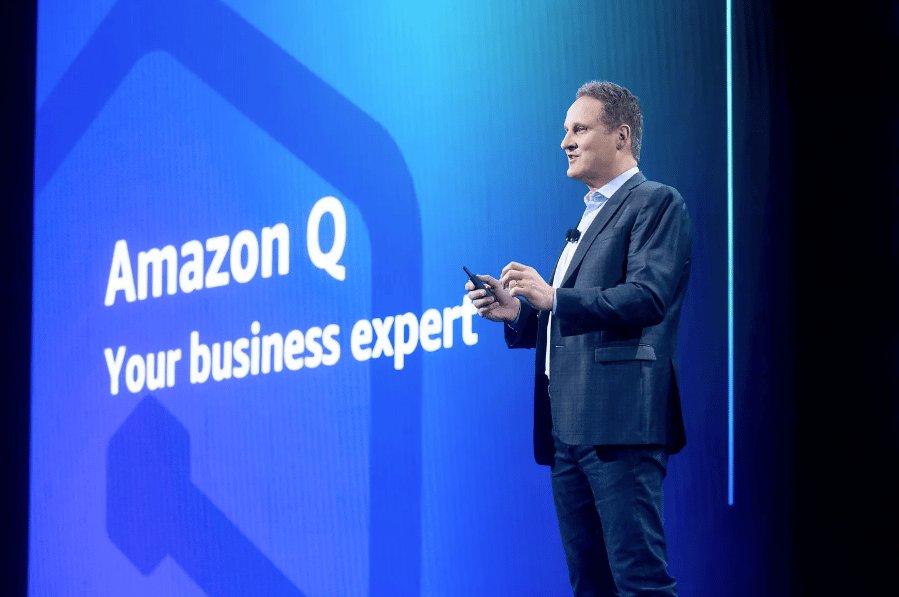
A hacker recently injected code into Amazon Q in order to warn users of the platform’s potential security flaws. But the outcome could have been much worse.
A hacker has been using a backdoor to exploit certain SonicWall SMA appliances since October 2024. Google’s Threat Intelligence Group provides tips on mitigating this security threat.
A recently discovered prompt-injection flaw in Google’s Gemini makes it possible for hackers to target unsuspecting users in sophisticated phishing attacks.
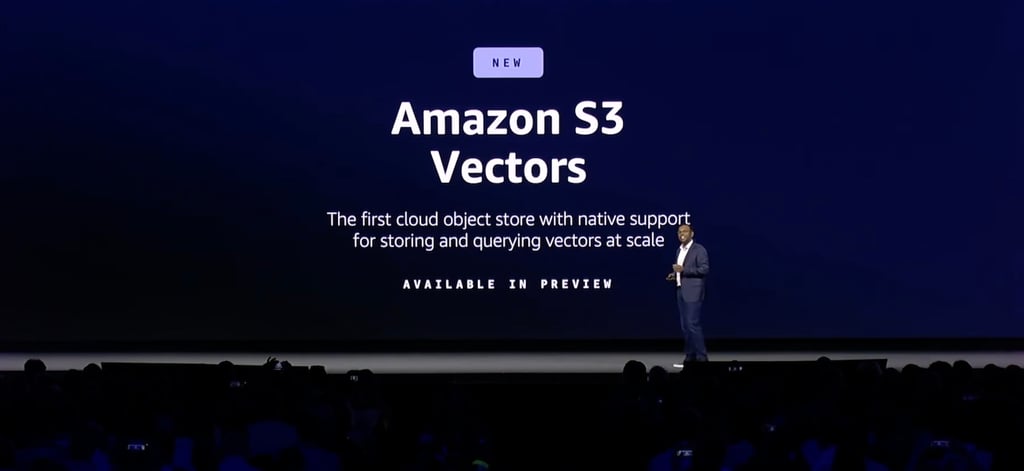
During the keynote, there was news about updates to EventBridge and the AWS Free Tier, as well as thoughts about how agentic AI is “upending the way software is built.”
OpenAI’s $3B bid to acquire Windsurf collapsed after talks stalled, clearing the path for Google to license its AI coding tools and hire key team members.