
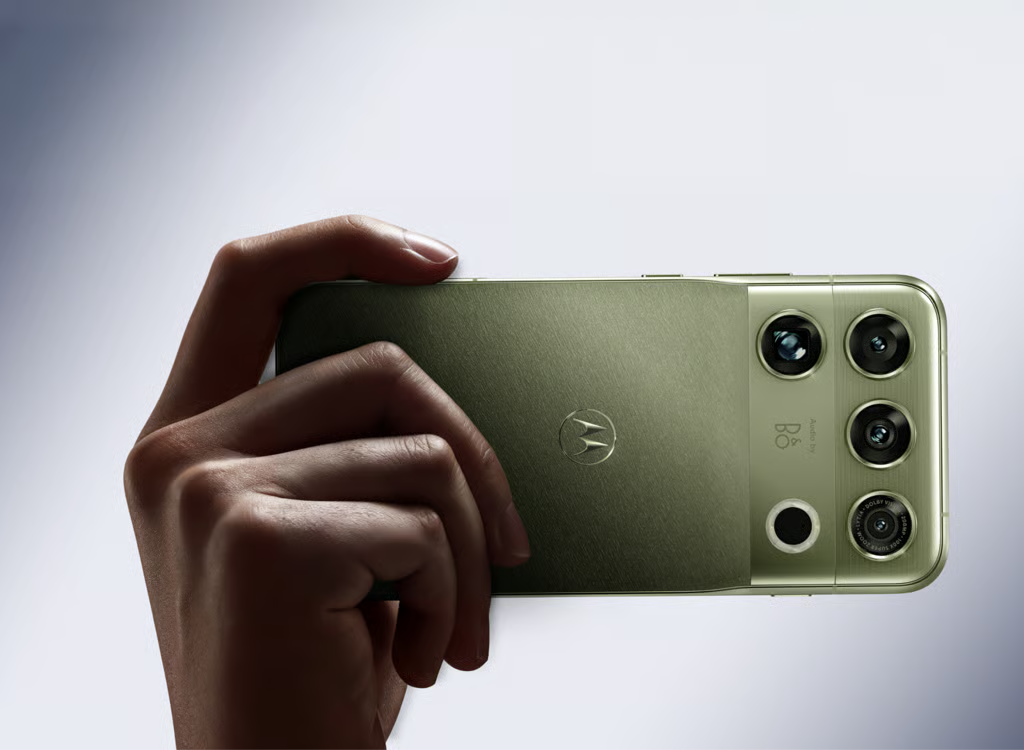


Motorola is taking another swing at the premium smartphone market with a new flagship built around Qualcomm’s latest chip and a 200MP periscope camera.
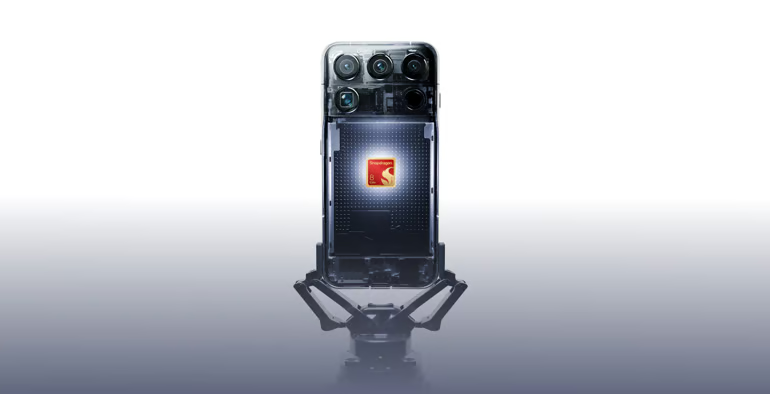
The company has previewed the Motorola Signature 27 at Qualcomm’s Snapdragon Summit, positioning it as the company’s most advanced smartphone yet. The phone is among the first devices to use Qualcomm’s new Snapdragon 8 Elite Extreme Gen 6 Mobile Platform, bringing a major performance upgrade to Motorola’s premium lineup.
The Signature 27 also introduces a new naming system based on the final two digits of the coming year. Motorola says the approach will create a consistent identity for future Signature phones.
Built for sustained performance
The new Snapdragon platform is expected to power faster on-device AI, gaming and downloads, while Motorola’s ArcticMesh cooling system is designed to help sustain performance during demanding workloads.
The system combines liquid metal, copper mesh, diamond-infused thermal gel and a redesigned 3D vapor chamber that is 40% larger than the previous generation. Motorola promises seven OS updates and up to seven years of security updates from the global launch date, with support varying by market, carrier or model, extending the phone’s software support well beyond the typical flagship cycle.
That combination matters because AI features increasingly depend on sustained processing rather than short bursts of peak performance. A powerful chip is less useful if a phone has to reduce its speed quickly under heat.
Motorola doubles down on cameras
Photography is another major focus. The Signature 27 will feature a 50MP Sony LYTIA 910 main sensor and a 200MP periscope telephoto camera. The main camera also gets 3.5-degree optical image stabilization, while Qualcomm’s image stabilization works alongside the hardware to improve handheld video.
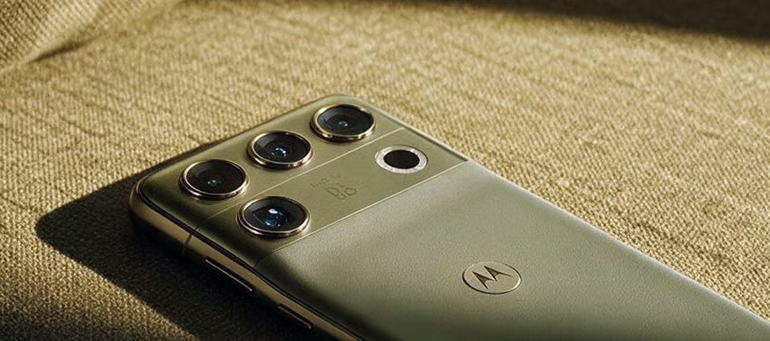
Motorola’s Video Enhancement Engine uses AI to adjust color tones in real time, with the company targeting clearer low-light footage and more natural-looking colors. The remaining rear cameras have not yet been fully detailed, leaving an important part of the camera system unknown.
Gemini, Lyria and audio by B&O
Motorola is also building the Signature 27 around Google Gemini, including features that can turn prompts, photos or existing footage into videos with Gemini Omni and generate music and soundtracks with Lyria. The phone is also the first Motorola smartphone to feature Audio by B&O, following the company’s newly announced partnership with Bang & Olufsen.
A flagship with a different identity
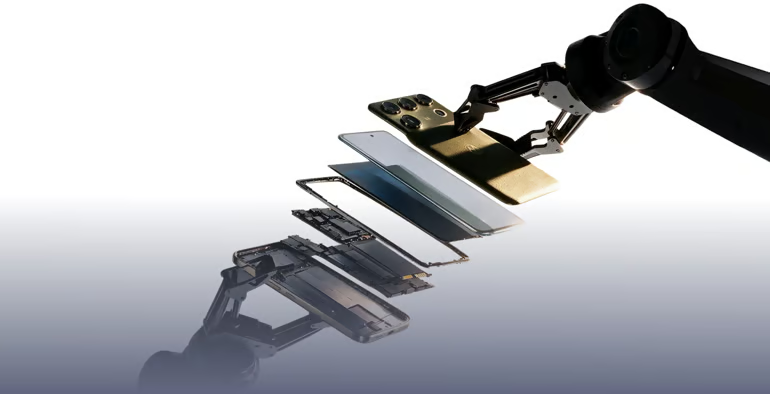
The hardware push is matched by a more distinctive exterior. The phone has an aluminum body with contoured edges and a ceramic-and-brushed-aluminum camera housing. It will come in Pantone Coal Smoke with a Tactical Weave finish and Pantone Capulet Olive with a brushed textile-inspired finish.
For Motorola, the bigger shift is that the Signature 27 looks designed to compete on more than specifications. The combination of premium materials, long-term software support, camera hardware, AI and B&O audio gives the company several ways to justify its place in the high-end Android market.

What it means for users
Long-term usability stands out as the key appeal for consumers. With seven years of OS updates, the Signature 27 promises extended longevity, and its upgraded thermal performance offers tangible benefits to gamers, video creators, and heavy users of AI applications.
There are still major unknowns, however. Motorola has not announced the exact price, complete specifications or firm launch date. The company says the phone will reach markets worldwide in 2026, while Motorola’s US site says more details are coming in November, but the company has not confirmed a US price or sale date.
For buyers, the seven OS updates are a meaningful commitment, but price, local availability, battery life and independently tested performance will determine whether the Signature 27 is a practical flagship choice.
Read more: See how the Snapdragon 8 Elite Extreme Gen 6 compares with the standard Gen 6 on AI, gaming and video features—and which differences may matter when choosing a phone.