


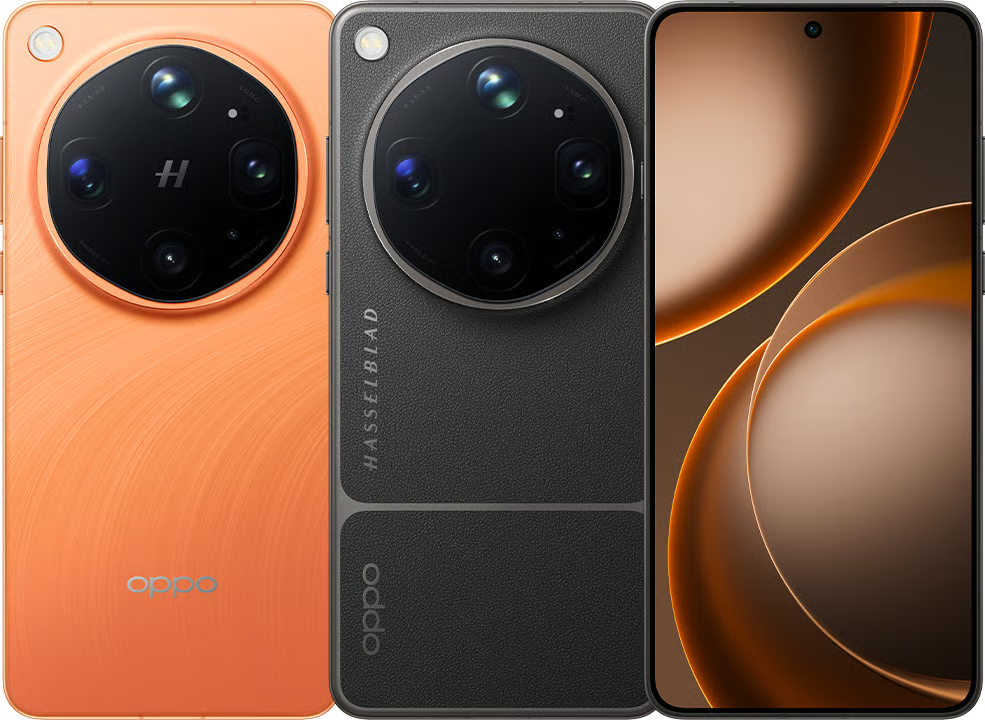
The red-hot race to feed generative AI models just took a massive bite out of high-end mobile photography.
According to industry leaker Digital Chat Station on Weibo, Oppo has suspended development on its planned Find X10 Ultra. Asked in the comments whether the freeze begins with this cycle or subsequent releases, the tipster responded directly: “This generation”.
While Oppo has issued no official comment, supply-chain constraints and market data suggest the super-flagship is dead on arrival.
The Find X10 Ultra was engineered under the codename “Xingyun” (“Nebula”) to outperform everything else in mobile imaging. Leaks showed an aggressive spec sheet that is now shelved:
- Sensors: A 200MP 1/1.12-inch main sensor featuring Lateral Overflow Integration Capacitor (LOFIC) tech to eliminate blown-out highlights.
- Zoom setup: A dual-periscope array pairing a 200MP mid-range sensor with a 50MP shooter capable of 10x true optical zoom.
- Power & Silicon: An 8,000 to 8,500mAh silicon-carbon battery paired with MediaTek’s 2nm Dimensity 9600 Pro, tested after ditching Qualcomm’s pricier Snapdragon silicon.
The economic squeeze: ‘RAMageddon’
At the core of the cancellation is an unprecedented memory crisis. The LPDDR5X mobile DRAM deployed in top-tier smartphones shares manufacturing capacity with high-demand AI server memory.
Because cloud hyperscalers are aggressively buying out supply, Counterpoint Research noted memory makers are effectively telling handset brands to wait in line. LPDDR5X prices surged over 90% quarter-over-quarter—the steepest jump on record.
IDC projects overall global smartphone shipments will contract roughly 13.9% in 2026, hitting Chinese vendors hardest.
| Flagship model | Status | Cost pressures & strategy shifts |
|---|---|---|
| Oppo Find X10 Ultra | Suspended | Memory price spikes; wider 16:9 form factors explored for 2027 |
| Xiaomi 18 Ultra | Canceled | Scrapped over rising component costs; prioritizing Pro Max |
| iQOO 16 Ultra | Likely shelved | Surging semiconductor costs threatening 2027 arrival |
| Vivo X500 Ultra | In Development | Dropped planned 10x periscope lens; scaled back global launch |
The ‘Pro Max’ pivot kills the halo phone
Beyond silicon inflation, phone makers realized they no longer need dedicated halo hardware. By adopting the “Pro Max” naming convention in the fall, brands satisfy premium buyers who believe they already purchased the top tier.
Building a low-volume device with costly optical components forces retail prices above 10,000 yuan ($1,450+), a bracket dominated by Apple and Huawei. Rather than subsidize a spring release that risks thin margins, vendors are cutting development overhead and funneling resources into foldable designs, dedicated pocket gimbal cameras, and wider displays.
What this means for smartphone buyers
If Oppo has suspended the Find X10 Ultra, buyers expecting a new Ultra model may have fewer options for the company’s most advanced mobile photography features.
However, the reported cancellation remains unconfirmed, and Oppo has not announced whether the device could return under a different name or at a later date.
For consumers considering a flagship upgrade, the broader concern is pricing. Rising memory and component costs could influence future smartphone prices, available configurations, and the features manufacturers prioritize.
Buyers should compare confirmed camera specifications, battery performance, software support, and pricing rather than make purchasing decisions based on unreleased devices.
For now, the Find X10 Ultra’s reported suspension raises questions about how smartphone manufacturers will balance increasingly expensive hardware with demand for premium devices. Whether Oppo’s decision reflects a wider industry shift remains to be seen.
Nvidia is tightening AI chip monitoring requirements for cloud partners in Southeast Asia, reportedly requiring new partners to enroll in its Fleet Intelligence system amid growing concerns over restricted GPUs being smuggled into China.