


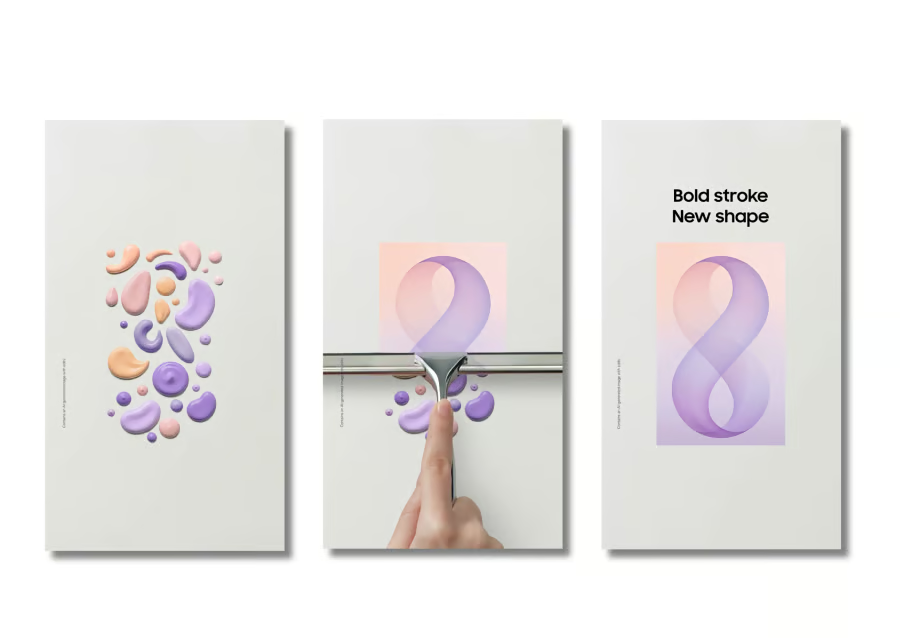
Samsung is giving its next foldable the mystery-box treatment.
The company has dropped its first official teasers for what is widely expected to be the Galaxy Z Fold 8, using cryptic social posts, a nearly cleared Instagram feed, and repeated “new shape” messaging.
Samsung has not confirmed the device name, specs, price, or launch date, but the campaign points to a wider foldable design that could matter for mobile productivity, app layouts, and business users weighing their next upgrade.
The teaser campaign may be playful, but the timing is practical. Anyone considering a foldable upgrade may want to wait for Samsung’s official reveal before deciding whether the next Fold is a meaningful redesign or just a new silhouette.
Samsung hints at a wider Fold
9to5Google said that Samsung deleted nearly all posts from its @SamsungMobile and @SamsungMobileUSA Instagram accounts, leaving six posts behind. Those posts spell out “New Shape, New Joy” and appear to refer to a shorter, wider Galaxy Z Fold 8 form factor.
Samsung has not explicitly named the Galaxy Z Fold 8 in the teasers, but the campaign repeatedly points to a “new shape” and a redesigned foldable form factor.
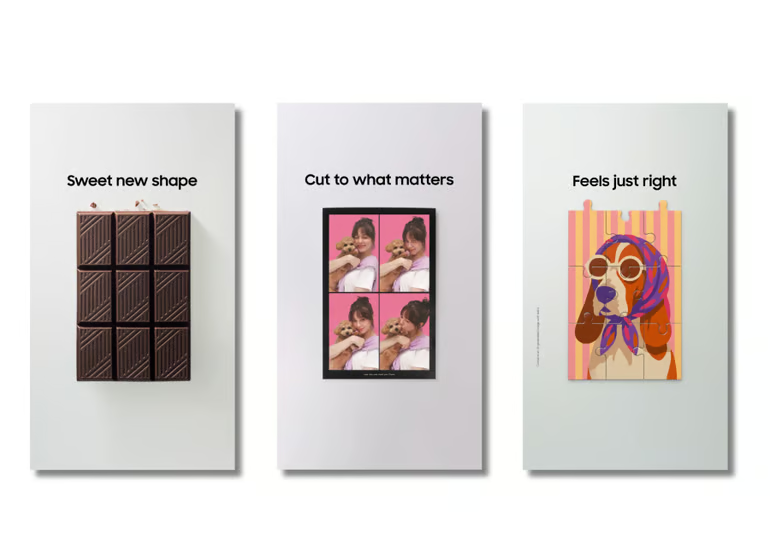
GSMArena also reported that Samsung shared six cryptic teasers across social media that emphasize a wide form factor. The device is widely expected to be called the Galaxy Z Fold 8, and leaks have pointed to a July 22 debut alongside the Galaxy Z Fold 8 Ultra and Galaxy Z Flip 8, though Samsung has not officially confirmed those details.
Samsung still needs to confirm the specs, pricing, durability, software features, and launch timing before the new shape can be judged as a real upgrade.
A wider Fold could change everyday use
A wider Galaxy Z Fold 8 could be more than a cosmetic change. Foldables have always pitched themselves as productivity devices, but the experience depends heavily on screen shape, app scaling, keyboard comfort, split-screen behavior, and how naturally users can move between phone and tablet modes.
A shorter, wider design could make the outer screen less cramped and the unfolded display more useful for everyday work apps. For business users, those small layout changes can determine whether a foldable feels like a real work device or an expensive novelty.
The possible redesign also matters for IT and mobility teams.
Foldables can create extra testing considerations for enterprise apps, mobile device management policies, protective accessories, repair plans, and refresh cycles. A new aspect ratio may improve usability, but it can also require additional validation for internally used apps designed around standard phone screens.
Mobility must-reads
- Big Apple OS Makeover: Here’s What to Expect & When
- MWC 2025: Nothing Shows Off (3A) Phones With AI Organization Tool
- Bad News for App Developers: Most Apps Fail to Hit $1,000 Monthly Revenue Within Two Years
- Mobile Device Computing Policy
Samsung is selling mystery before specs
PhoneArena noted that Samsung’s campaign is built around everyday objects, recurring shapes, and visual clues instead of a traditional spec reveal. The site noted that Samsung has not confirmed the campaign is for foldables, but the “new shape” branding and bold “8” graphic point toward the rumored Galaxy Z Fold 8 redesign.
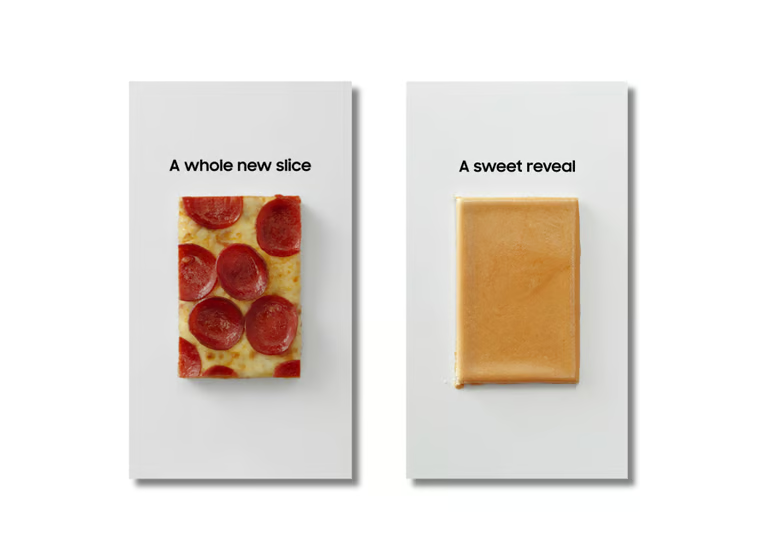
The strategy is more playful than a typical business-device announcement, but it leaves practical questions unanswered.
There is also more competition around the foldable format. PhoneArena emphasized that a wider Fold could put Samsung against Google’s Pixel 10 Pro Fold and Apple’s rumored foldable iPhone, both of which are expected to push similar ideas around wider displays.
What buyers should check before upgrading
The biggest thing to check is whether Samsung connects the new shape to practical benefits. A wider body alone will not matter much unless it improves typing, app layouts, multitasking, durability, or portability.
Pricing will also be important. Foldables remain premium devices, and even a meaningful redesign may be hard to justify if the cost is too high for broad deployment. Businesses considering foldables will need to weigh productivity gains against repair costs, accessory support, trade-in value, and lifecycle management.
Current Galaxy Z Fold 7 users may not need to rush unless Samsung delivers a major usability upgrade. Users coming from older Fold models, standard Galaxy phones, or other Android devices may have more reason to watch the next Unpacked event closely.
Samsung’s teasers have done their job by making the Fold 8 feel different before it is official. The next test is whether the company can prove that “new shape” is more than a marketing phrase.
Learn more about how Samsung’s OLED panel production could bring Apple’s first foldable iPhone closer to launch.