Karl is a lead writer on cloud security for TechRepublic, specializing in enterprise security risks, strategies, products, threats, trends and technologies for securing organizations. After graduating from Florida State University, he worked for the Tampa Tribune, and radio and TV stations in Tallahassee before moving to Boulder, Colorado. After receiving an MFA in dramatic writing from Brooklyn College he became a journalist and wrote for several years for publications covering the automotive, industrial chemical, internet tech and consumer marketing verticals. He has written for Adweek, Brandweek, The Chemical Market Reporter and MediaPost, and was also the public affairs officer at the NYU Tandon School of Engineering for six years prior to coming to TA.
YubiKeys are my favorite tech at this point because of the proliferation of threats directred at idenity access. While there are numerous protection techs and password management platforms, including passkeys, a device-centered encrypted key is the sine qua non for me. Also bicycles and guitars.
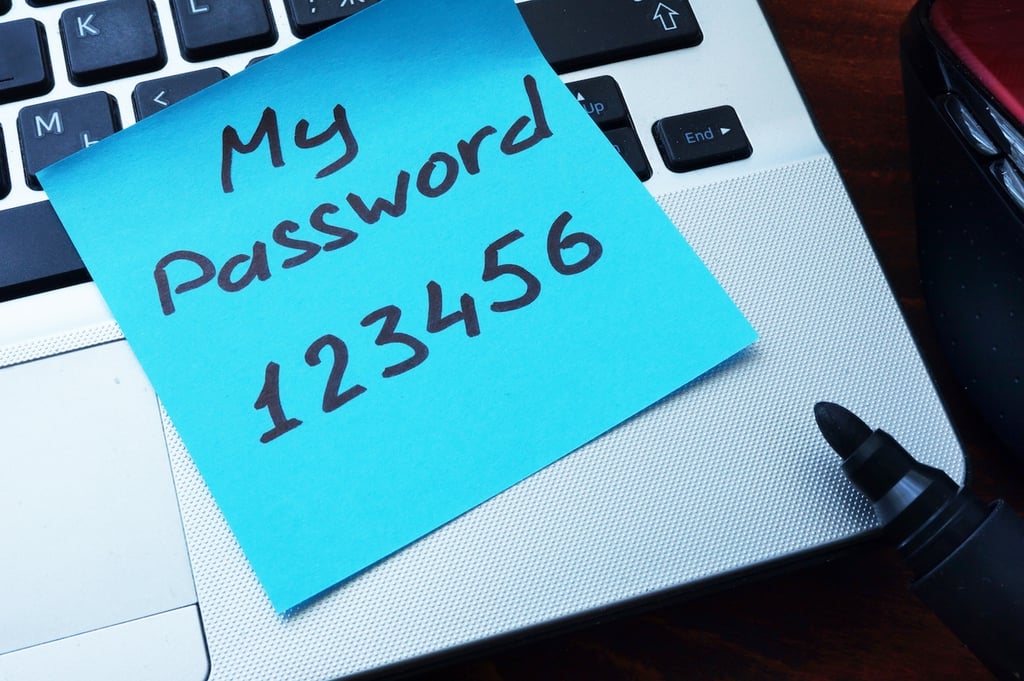
Yes, there’s a good chance “123456” is the code to the restroom at your local Starbucks, but it is also the second most popular password worldwide, according to a new study by password manager NordPass. That can’t be good.
As the SolarWinds and Log4j hacks show, vulnerabilities in open source software used in application development can open doors for attackers with vast consequences. A new study looks at the open source community’s efforts to “credit-rate” the risk.
The company, which for several years has been on a buying spree for best-of-breed products, is integrating platforms to generate synergies for speed, insights and collaboration.