Liz Ticong is a technology writer specializing in artificial intelligence, cybersecurity, software reviews, and emerging business technologies. With more than a decade of professional writing experience and over five years contributing technology content for TechnologyAdvice, she helps readers understand complex technologies and evaluate the tools that best fit their needs.
Liz has extensive experience researching, testing, and analyzing software platforms, AI tools, and technology solutions. Her work includes in-depth software reviews, buyer’s guides, product comparisons, and technology news coverage designed to help businesses make informed purchasing and implementation decisions. She regularly evaluates AI applications, automation tools, cybersecurity solutions, and business software, providing practical insights based on hands-on testing and research.
In addition to her work with TechnologyAdvice, Liz has contributed technology content to leading industry publications, including eWeek and TechRepublic. Her background in technical writing and software analysis enables her to translate complex technical concepts into clear, actionable guidance for both business and technology audiences.
Liz holds a bachelor's degree in Broadcast Communication from the Polytechnic University of the Philippines and continues to expand her expertise through ongoing education in artificial intelligence and emerging technologies. Through her writing, she helps readers navigate a rapidly evolving technology landscape with practical, research-driven insights and real-world product analysis.
Two defendants pleaded guilty in a Bitcoin laundering case tied to the UK’s record crypto seizure. The Met’s seven-year probe moves to sentencing 10–11 November.
F-Droid says Google’s developer registration rule could end its open-source app store and strand users. Google defends verification as a security step.
Qualcomm announces Snapdragon X2 Elite Extreme and X2 Elite for Windows PCs, with 75% faster CPU, 80 TOPS NPU, and multi-day battery. The devices are expected in 1H 2026.
Microsoft tests microfluidic cooling that removes heat three times better than cold plates, reducing GPU spikes and lowering energy consumption in AI data centers.
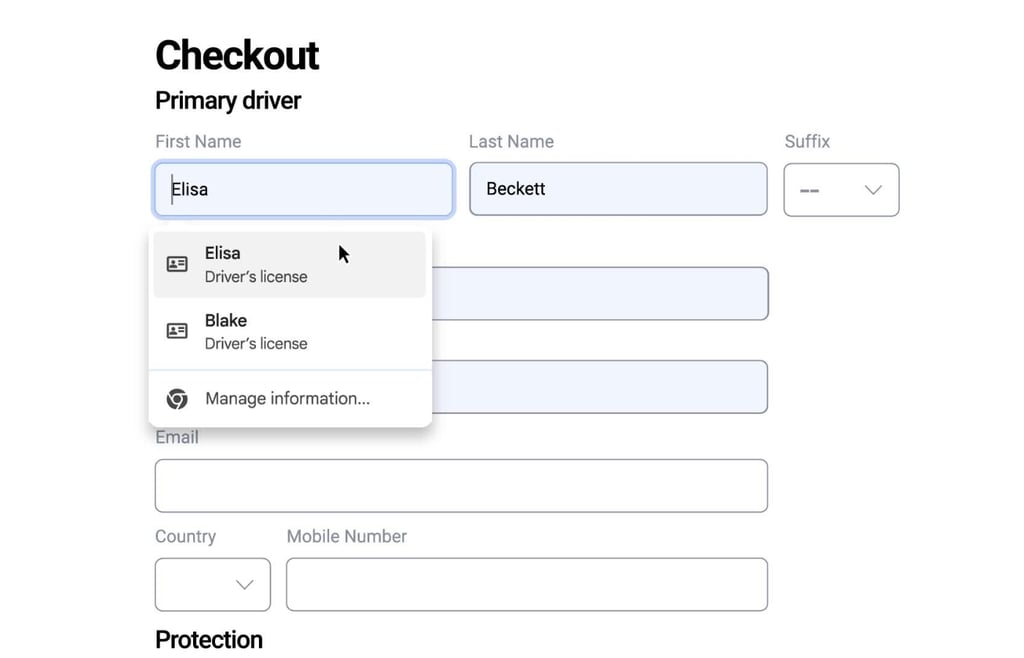
Google embeds Gemini into Chrome in what it calls the browser’s biggest upgrade, adding features to summarize pages, combat scams, and simplify browsing.
Microsoft is investing $15B in UK AI and cloud, expanding data centers, Nvidia-powered supercomputers, and workforce to boost AI skills and innovation.
Google Cloud Data Transfer Essentials lets orgs run cross-cloud workloads in parallel with zero-charge qualifying traffic, first launching in the EU & UK.