
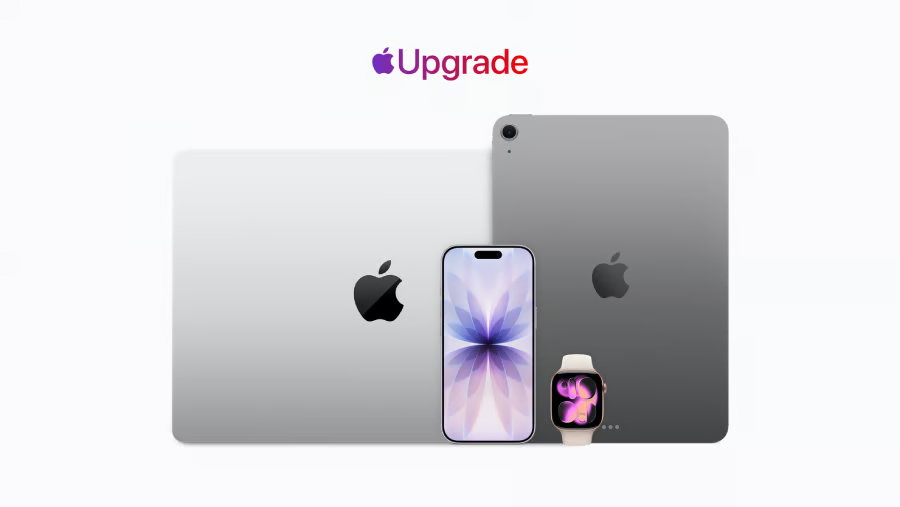


Buying Apple hardware just became a little more like leasing a car.
The tech giant has launched Apple Upgrade, a new US leasing program that lets eligible customers lease iPhones, Macs, iPads, and Apple Watches through Klarna instead of purchasing them outright. The program replaces Apple’s long-running iPhone Upgrade Program for new customers and expands the concept beyond the iPhone to nearly the company’s entire hardware lineup.
For consumers who upgrade every year or two, Apple Upgrade could lower upfront costs and make it easier to switch to newer devices. But unlike traditional financing, the program is a lease, meaning customers should understand what happens at the end of their term before signing up.
Apple is shifting from financing to leasing
Apple Upgrade is available through Apple Stores, the Apple Store app, and Apple.com in the United States. Customers can choose from several lease terms depending on the product:
- iPhone and Apple Watch: 12- or 24-month leases
- Mac and iPad: 24- or 36-month leases
Apple lists starting monthly prices of:
- iPhone: $17.99
- Apple Watch: $11.99
- iPad: $11.99
- Mac: $24.99
As Apple explained in its news release, Applications are processed through Klarna using a soft credit inquiry, and approved customers generally won’t need to make a down payment.
Unlike Apple’s previous installment plans, customers do not automatically own the device after making monthly payments because Klarna retains ownership throughout the lease. At the end of the lease, customers can:
- Upgrade to a newer device
- Purchase the leased device with a buyout payment
- Return the device and end the lease
Customers considering the program should also review the lease agreement carefully, as early termination may involve additional obligations depending on the terms.
Apple also confirmed it will no longer accept new enrollments in the iPhone Upgrade Program. Existing members can continue using the program until they become eligible for their next upgrade, after which they’ll have the option to move to Apple Upgrade, finance through Apple Card Monthly Installments where available, purchase a device outright, or use carrier financing.
Must-read Apple coverage
- Nearly 7 in 10 iPhone Owners Plan iPhone 17 Upgrade
- Apple Prepares AI-Powered Siri Upgrade With Google Search Integration
- Apple’s Xcode 26 Beta Now Supports GPT-5 and Claude
- Apple’s Vision Pro Adoption Stalled As Content Released ‘Drip by Drip’
How Apple Upgrade differs from the previous program
Although the names sound similar, Apple Upgrade works differently from the iPhone Upgrade Program it replaces.
The previous program financed iPhones through Citizens Bank, allowing customers to own the device after completing their payments. Customers who upgraded after 12 payments could trade in their existing iPhone and begin financing a new one.
Apple Upgrade is instead structured as a lease. Customers pay to use the device during the lease term rather than financing ownership from day one. Ownership remains with Klarna unless the customer chooses to purchase the device at the end of the lease.
Another notable change is AppleCare+. The previous iPhone Upgrade Program included AppleCare+ as part of the monthly payment, while Apple Upgrade does not. Customers who want extended warranty coverage will need to purchase AppleCare+ separately.
What it means for Apple customers
The new program gives Apple customers more flexibility, particularly those who prefer upgrading to the latest hardware every year or two instead of keeping devices for several years.
For frequent upgraders, leasing may reduce the upfront financial commitment while making it easier to move to Apple’s newest products on a regular schedule. The expansion beyond iPhones also means customers can use a similar upgrade model for Macs, iPads, and Apple Watches.
For buyers who typically keep their devices for four or five years, however, purchasing outright or using traditional financing may still provide better long-term value since ownership is the end goal.
Apple’s new program also reflects a broader shift toward recurring subscription-style relationships rather than one-time hardware purchases. Whether Apple Upgrade becomes the preferred way to buy Apple devices will likely depend on how often customers replace their hardware and whether the added flexibility outweighs the costs of leasing.
Related reading: If you’re also considering a new Mac, check out our guide on whether now is the right time to buy a Mac Studio or wait for Apple’s rumored M5 Ultra model.