


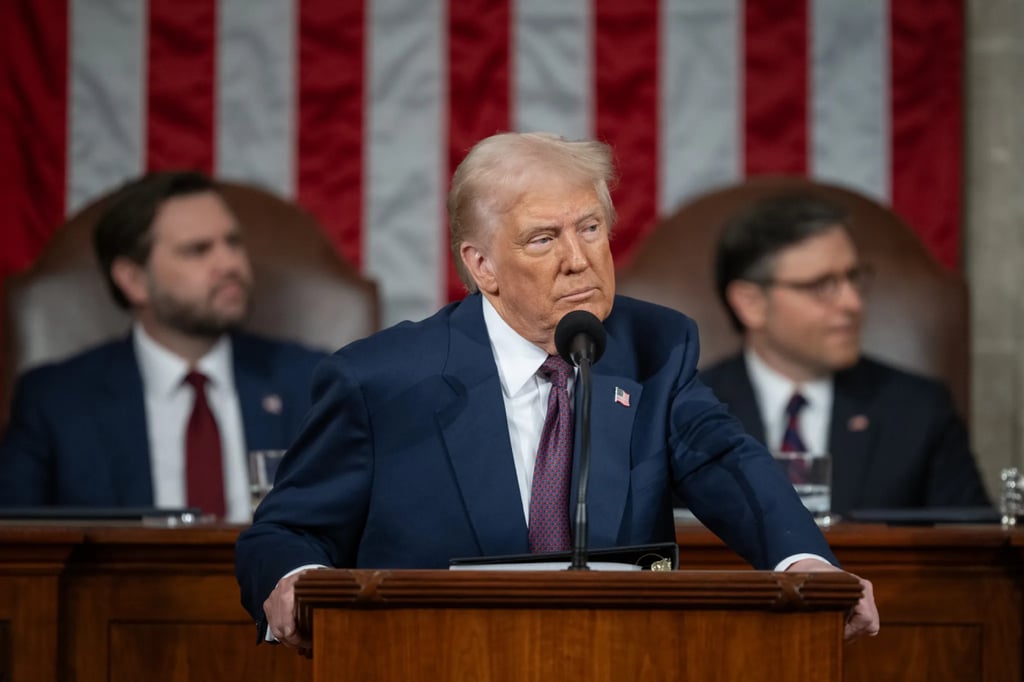
President Donald Trump has confirmed a rare earth trade deal with China, easing tensions and unlocking critical mineral supplies long frozen by tariff battles.
After discussions in Geneva and London, the agreement binds China to renew rare earth exports and the US to end certain export curbs. Rare earths remain central, making the deal a fragile but notable turning point in the US-China trade standoff.
Minerals, market access, and mutual rollback
China’s Commerce Ministry has confirmed that both countries have finalized implementation terms for a trade framework covering sensitive industrial goods. According to Bloomberg, the deal requires China to process export applications for restricted materials under its domestic laws, while the US has agreed to lift a series of punitive trade actions targeting Chinese firms.
These confirmations followed diplomatic meetings in London and a prior phone call between President Trump and Chinese President Xi Jinping. Trump publicly praised the outcome as “GREAT,” though neither government has released the full text of the agreement. The finalized structure builds on earlier negotiations in Geneva.
In a related move, the Commerce Department has conditionally approved outbound ethane shipments to China. At the same time, Beijing announced tighter controls on two fentanyl-related chemicals, addressing US’s concerns over opioid trafficking. Both measures were issued alongside the trade deal but are not formally part of it.
Reuters has reported that China is applying dual-use restrictions to rare earth exports, slowing licensing processes as it screens buyers for potential military ties. Industry sources have said this vetting is delaying outbound shipments, despite the new agreement to accelerate approvals.
A White House official told the news agency that the agreement now includes an implementation framework focused on rare earth flows to the US.
What's hot at TechRepublic
- Blackpoint Cyber vs. Arctic Wolf: Which MDR Solution is Right for You?
- Why AWS Sellers Choose Deepgram Over Other Voice AI Tools
- SS&C Intralinks DealCentre AI vs. Datasite: Which platform is built for the future of dealmaking?
- SS&C Intralinks FundCentre AI vs. Juniper Square: Which platform better supports modern private markets fund managers?
- Verito vs. Rightworks: Which IT Provider Is Best for Your Firm?
White House ramps up AI capacity as mineral deal clears path
As the US moves to restore rare earth supply lines through the agreement, the Trump administration is also advancing a domestic strategy to expand energy access for AI infrastructure. Reuters reported that a series of upcoming executive orders aim to fast-track power generation projects, remove permitting barriers, and allocate federal land for AI data centers.
Sources familiar with the plans say these actions are designed to relieve energy bottlenecks that threaten to stall leadership with the US in high-performance computing. A sweeping AI Action Plan is due for release on July 23, and President Trump is expected to preview the initiative during a mid-July event in Pennsylvania. Administration officials have underscored the link between AI dominance and national competitiveness, particularly in the context of China’s growing technological footprint.
Energy, ambition, and everything in between
The deal may cool the temperature, but the fire underneath is far from extinguished. Are the US and China building bridges, or just reshaping the battleground?
As the US and China scale up AI infrastructure, many countries are falling behind. Read TechRepublic’s coverage on the widening global gap in data center access.