


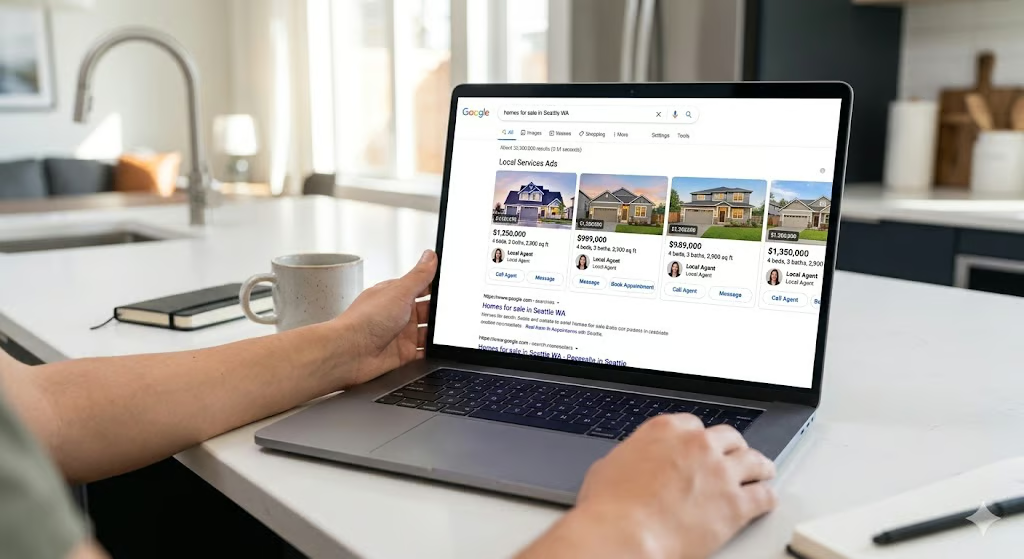
Google is turning more home searches into real estate ads.
The tech giant announced on Thursday that it is rolling out enhanced Local Services Ads (LSAs) for home listings across all 50 US states. The nationwide launch follows a limited pilot program that initially rolled out in late 2025, was briefly paused, and was reintroduced this spring in select major markets such as Miami, New York, Austin, and Los Angeles.
According to Google, the newly expanded ad format displays key property information, such as pricing, images, and core home features, directly within the search interface. Buyers looking at the ads can call, message, or book an appointment with a local real estate agent right from the ad unit.
Google stated that its objective is “to deliver a helpful real estate experience by acting as a supporting bridge.” Real estate agents already using LSAs will be automatically included in the updated feature, while new agents can register directly to receive high-intent leads.
Data partnerships and listing controls
The underlying real estate data fueling these advertisements is provided through a partnership with HouseCanary, an AI-enabled property platform, via its ComeHome.com listing website. HouseCanary sources its property details from participating Multiple Listing Services (MLSs).
The initial pilot program faced pushback over the use of listing data accessed without prior consent via HouseCanary’s brokerage status. However, the updated rollout relies exclusively on explicit buy-in from participating MLSs and brokerages. According to HouseCanary Chief Revenue Officer Chris Rediger, “this program gives brokers and agents a simple, easy way to ensure more buyers can discover their listings from the industry’s most validated, comprehensive source.”
Brokerages operating within participating MLSs retain the option to opt in or opt out of the display program. Listings that are featured will include prominent attribution and contact options for consumers at no cost to the participating brokers. However, to maintain eligibility, brokers must keep up their MLS membership or set up a direct data feed.
Shaking up the portal market
Google’s aggressive push into the real estate category marks the return of a familiar threat for established housing portals like Zillow, Redfin, and CoStar Group’s Homes.com. Industry analysts note that Google’s ability to give its proprietary ad units prime visibility at the top of search results could pose a direct challenge to traditional portal monetization models.
In an investor note cited by The Real Deal, BTIG analyst Jake Fuller wrote that if Google “can directly access & display listings w/a means to monetize, it is less clear where [Zillow] might fit in.”
The announcement triggered a negative reaction on Wall Street for several competing housing services. Zillow Group stock dropped 4.9% midday following the news, while CoStar Group shares declined by 3.6%, according to Barron’s.
The major platforms remain defensive about their market share. Zillow told Barron’s that 80% of its web traffic bypasses external search engines entirely, coming directly to its platform.
Meanwhile, a Redfin spokesperson emphasized that “serious buyers need more than a search result,” adding that exclusive, differentiated inventory makes their platform an indispensable destination regardless of where a buyer’s search originates.
Also read: The rollout arrives as Google navigates growing legal and regulatory questions about how information is presented in Search, including challenges tied to its AI Overviews feature.