



Meta has launched Seller, a free standalone app designed for people who regularly buy and sell items through Facebook Marketplace. The app gives sellers a separate place to create listings, manage inventory, communicate with buyers, and track sales performance.
The launch comes as Facebook Marketplace celebrates its 10th anniversary. Meta said Marketplace now sees about 430 million items listed every month globally, with many users turning the platform into a side business or source of income.
Seller is currently available through the App Store for users in the US who are 18 and older. Meta said a web experience is available for sellers who download the app, while Android testing is underway.
The app connects directly with existing Facebook Marketplace accounts, allowing sellers to carry over their listings, messages and sales history. Any new listings created through Seller will also appear on Marketplace.
Meta AI can generate titles, descriptions, price suggestions, and categories from uploaded photos. Sellers can also create multiple listings at once through a bulk listing feature.
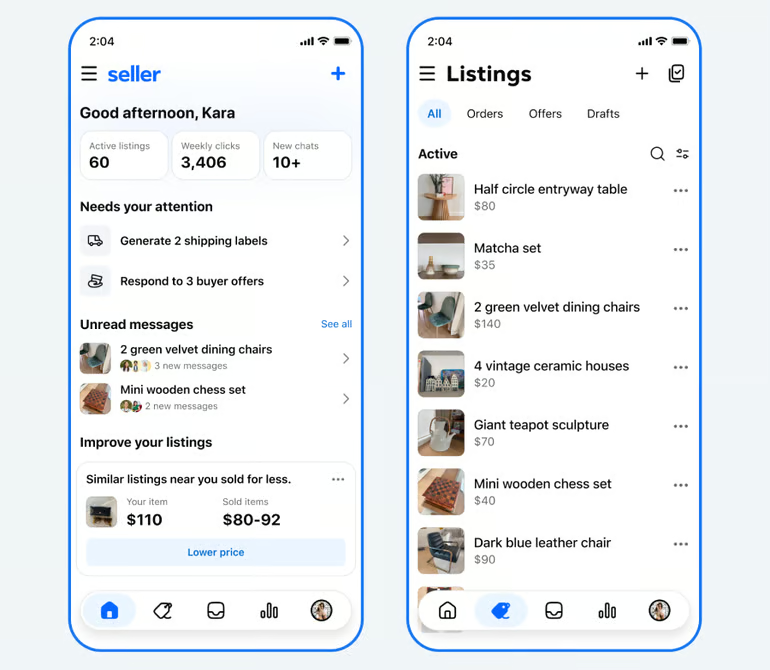
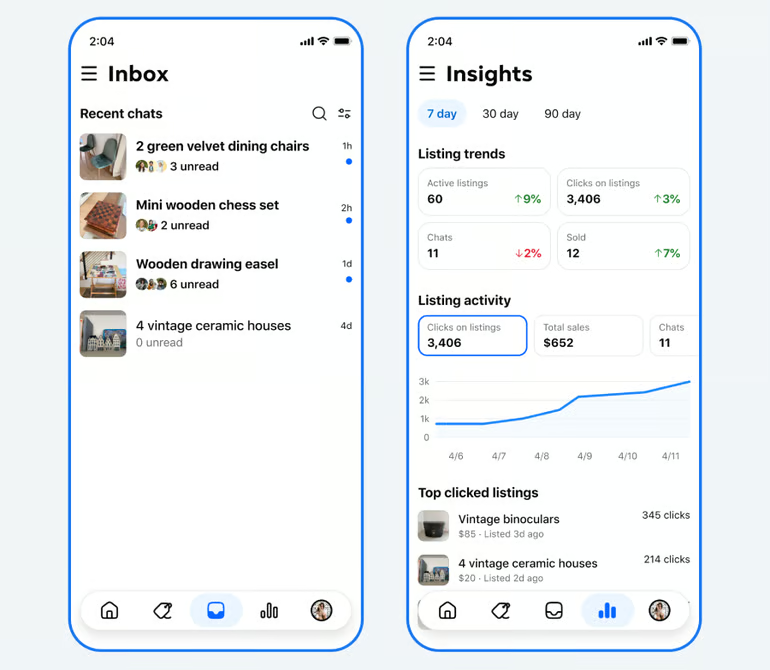
Other tools include a seller dashboard showing tasks that need attention, a unified inbox organized by item, inventory controls and performance data such as views, clicks, buyer messages and sold listings.
Meta said the goal is to make selling easier for frequent Marketplace users while keeping the personal interactions that make the platform different from traditional online marketplaces.
Meta’s push toward power users
The Seller app is part of a broader effort by Meta to build separate experiences for Facebook’s most active communities. The company previously launched Forum, a standalone app aimed at Facebook Groups users.
Tom Alison, head of Facebook, said the company views these apps as tools designed for users who rely heavily on specific parts of Facebook.
“I think about these as things that complement the main app, and cater to the more high-intensity user communities,” Alison said in an interview with The New York Times. “That’s the idea that underpins a lot of what we’re doing this year or trying this year. It’s very early — it’s experimental.”
The strategy comes as Meta tries to keep Facebook relevant amid competition from platforms such as TikTok and Instagram. While Meta has invested heavily in artificial intelligence, advertising across Facebook and Instagram remains the company’s main source of revenue.
What's hot at TechRepublic
- Blackpoint Cyber vs. Arctic Wolf: Which MDR Solution is Right for You?
- Why AWS Sellers Choose Deepgram Over Other Voice AI Tools
- SS&C Intralinks DealCentre AI vs. Datasite: Which platform is built for the future of dealmaking?
- SS&C Intralinks FundCentre AI vs. Juniper Square: Which platform better supports modern private markets fund managers?
- Verito vs. Rightworks: Which IT Provider Is Best for Your Firm?
Why Seller matters for online commerce
Seller shows Meta is treating Marketplace less like a casual classifieds section and more like a commerce platform. By giving sellers business-focused tools, the company is trying to encourage more frequent listings and keep merchants tied to Facebook rather than moving to dedicated marketplaces such as eBay.
For small sellers, the biggest benefit could be time savings. AI-generated listings, organized buyer messages, and sales insights could reduce the effort needed to manage multiple products. However, the app’s success will depend on whether sellers find the tools useful enough to change their existing habits.
There are also limits to Meta’s approach. Seller does not create a new marketplace or change how transactions work; it mainly improves management tools for sellers already using Marketplace. The company also continues to rely on trust and safety measures as online marketplaces face challenges involving scams and fake accounts.
Building trust on Marketplace
Alongside Seller, Meta introduced a free human verification feature that allows users to upload a video selfie to prove they are real people. Verified users receive a gray badge next to their profile name, which Meta said is designed to help users feel more confident when interacting on Marketplace, Groups, and Dating.
Also read: Meta removed an Instagram Muse Image feature after backlash over consent and the use of public account photos in AI-generated images.