
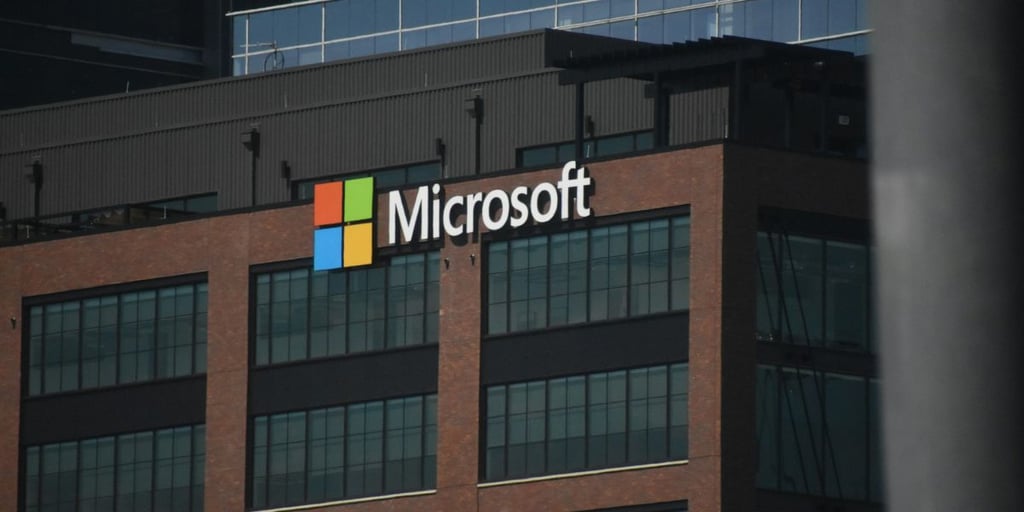


Microsoft has canceled plans for a 244-acre data center in Caledonia, Wisconsin, after a surge of community backlash, ending a high-profile bid. The decision comes weeks after residents signed a 2,000-name petition opposing the project, prompting the tech giant to withdraw the high-end bid.
The scrapped site sits at County Line Road and State Highway 32, near farmland and homes, southwest of the WE Energies Oak Creek Power Plant. Village Administrator Todd Willis told TMJ4 News that no formal application had been filed, while Microsoft said it would work with Caledonia and Racine County to find a location that better aligns with community priorities.
Local resident ‘ecstatic’ upon the cancellation
Microsoft confirmed the reversal in a statement, saying it dropped the site “based on the community feedback we heard.” The move followed weeks of organized opposition that united residents, local officials, and petitioners against the proposed development.
Resident Prescott Balch told TMJ4 News he was “ecstatic” after hearing the news, saying the village’s arguments “held water and ultimately convinced a large corporation to back off.” The planned site had become a flashpoint for debate over how and where Caledonia should grow.
Some aren’t celebrating Microsoft’s retreat
According to the Racine County Eye, Village President Tom Weatherston was disappointed by the company’s decision but remained hopeful that Microsoft could still choose the village for a future project.
“I think the company really did listen to what residents had to say,” he said. “This wasn’t a decision made because of anything to do with the site itself — it was really about Microsoft being a good neighbor.”
Microsoft’s internal review found no contamination issues at the property, and environmental concerns did not factor into the decision. The project had been expected to employ 40 to 50 full-time workers once completed, a number Weatherston said would have made Microsoft the second-largest employer in the village.
“Show me another business in the village that employs 50 people that isn’t Racine Unified,” he added.
Data center projects often spur waves of hiring and development, from construction to long-term support work. For instance, upcoming facilities by Google in Oklahoma and Amazon in North Carolina are projected to generate thousands of jobs as the companies expand their AI infrastructure.
More Microsoft news
- Inside Microsoft’s Real-Time War Against Cybersecurity Threats
- Project Ire: Microsoft Tests AI That Autonomously Detects Malware
- Microsoft Targets ‘Critical AI Talent’ from Meta to Dominate Next AI Breakthroughs
- Windows 10 Support Ends Soon, Though Extended Security Updates Offers Are Available
Behind every AI model lies a race for more servers
The shelved Caledonia plan was part of Microsoft’s wider data center buildout strategy. In January, the company announced plans to invest $80 billion in data centers during fiscal 2025 as it expands computing capacity to support AI workloads.
It’s one piece of a fast-growing contest to scale cloud and compute power. Alongside Google and Amazon, OpenAI is leading one of the largest efforts with its multibillion-dollar Stargate supercomputing project in the US. Meta is racing on a parallel track, building new data centers to expand processing capacity and keep up with the surge in machine learning demands.
The strategy is simple and brutal: build, power, repeat. Access to capacity now separates contenders from followers.
Microsoft’s broader transformation is unfolding inside its own ranks, where new leadership moves aim to keep pace with the shifting AI landscape.