


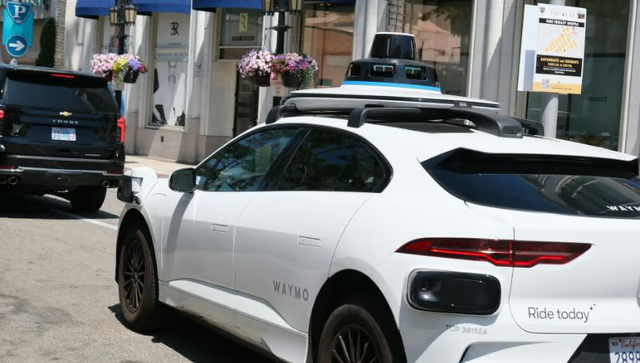
Waymo is giving Toyota’s electric SUV a driverless makeover, with Japan first in line for a new robotaxi fleet in 2027.
Toyota and Waymo will begin testing autonomous versions of the Toyota bZ4X in Japan in 2027, building on a preliminary partnership announced in April 2025. The companies plan to expand deployment to the UK and other markets in subsequent years, according to their joint announcement.
Toyota says it will manufacture the vehicles at its Takaoka plant in Toyota City, Japan, installing Waymo’s self-driving hardware during production rather than retrofitting finished vehicles at a separate facility.
The companies have not disclosed the initial fleet size or confirmed the Japanese locations where testing will take place. Toyota Executive Vice President Hiroki Nakajima said initial operations would involve a small number of vehicles, Reuters reported.
The bZ4X will join Waymo’s growing mix of autonomous vehicles as the Alphabet-owned company expands beyond its established US operations.
Factory integration could help Waymo scale faster
Building the autonomous system into vehicles during assembly could make it easier for Waymo to expand its fleet without relying on a separate retrofitting process.
The Verge reported that Waymo has previously adapted vehicles at a separate facility, adding sensors, computers and wiring after purchase. Integrating those components at Toyota’s factory could reduce duplicated labor, additional shipping and installation costs.
That matters because Waymo needs more than reliable self-driving software to grow internationally. It also needs a repeatable process for sourcing and preparing vehicles for different markets. Toyota’s manufacturing capacity could help address that challenge, although neither company has disclosed expected production volumes or cost savings. The partnership also gives Waymo another vehicle platform to work with, rather than relying on a narrower selection of models.
Japan will serve as the first testing ground for the Toyota-based robotaxis, with the UK among the planned international destinations. Both countries drive on the left, making right-hand-drive vehicles an important part of Waymo’s expansion plans.
Waymo has already been testing Jaguar I-PACE vehicles in Japan and plans to continue that program in 2027, co-CEO Dmitri Dolgov told Reuters. The company has also been testing in London and intends to launch a commercial service there once it obtains the required permits.
However, the Toyota partnership does not guarantee a specific launch date in either market. Testing, regulatory approval and the ability to operate safely in local traffic will shape how quickly the service expands.
What robotaxi riders can expect
The bZ4X robotaxis are being designed with passenger comfort and accessibility in mind. Toyota says the vehicles will feature generous rear legroom, automatic doors, a power liftgate and ambient lighting.
For riders, those additions could make driverless journeys easier, particularly for people who struggle with conventional transport or need simpler ways to get in and out of a vehicle.
Still, the companies have not announced fares, booking arrangements, service coverage or a commercial launch date for Japan. The planned testing phase will need to establish how the vehicles perform in real-world conditions before riders can count on them as a regular transport option.
More about Innovation
- Sovereign AI Explained
- The Rise of the AI-Native Factory
- Why Data Determines AI Success
- SS&C Intralinks DealCentre AI vs. Datasite: Which platform is built for the future of dealmaking?
Waymo’s manufacturing strategy is getting more important
Waymo’s Toyota partnership suggests that expanding autonomous ride-hailing will require more than improving self-driving software. Vehicle availability, manufacturing capacity, and the ability to integrate autonomous systems efficiently will also determine how quickly the business grows.
Toyota brings an established global production network, while Waymo contributes its Level 4 autonomous driving technology. Combining those capabilities could help the companies move beyond limited vehicle conversions toward a more standardized robotaxi manufacturing process.
Still, the technology must demonstrate reliable performance under local road conditions, and regulatory approval remains essential before commercial services can begin. For now, the bZ4X program gives Waymo a concrete manufacturing partnership as it prepares to compete for international robotaxi customers.
Also read: As Waymo prepares to expand its robotaxi fleet, discover how the company is developing custom AI chips for its self-driving vehicles to improve onboard processing and reliability.