
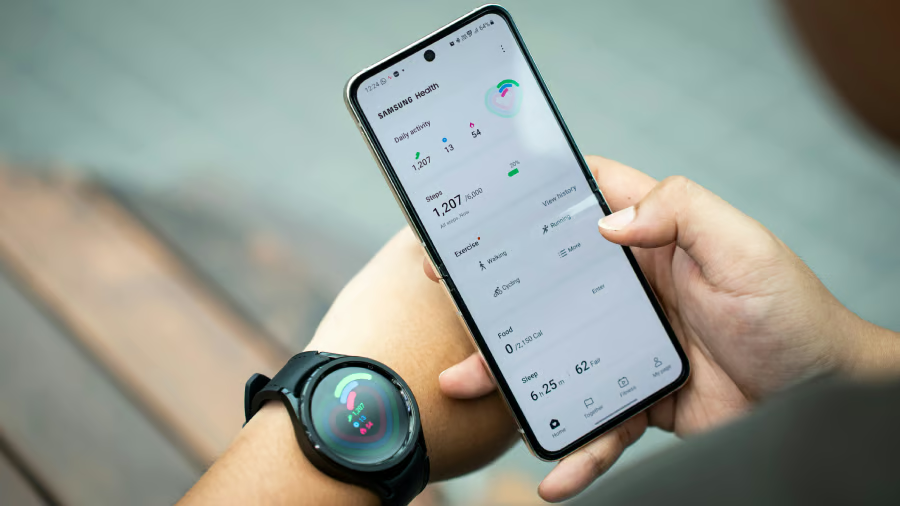


Blood sugar may be the health metric getting the most attention on smartwatches, but it is no longer the only warning they can provide on your wrist.
Smartwatches from Apple, Samsung, Google, Garmin, and Huawei can now detect health changes that might otherwise be easy to miss. Some monitor patterns subtly over time. Others respond when something unusual happens in the moment.
None of these features provides a diagnosis. For someone already paying close attention to their health, though, an unexpected alert can make it easier to know when a concern deserves a proper check.
Apple Watch: A nudge to check your blood pressure
Aside from showing glucose readings on the watch face through compatible systems such as Dexcom G7 Direct to Watch, Apple Watch can also monitor another health concern many people do not discover until a routine checkup: high blood pressure.
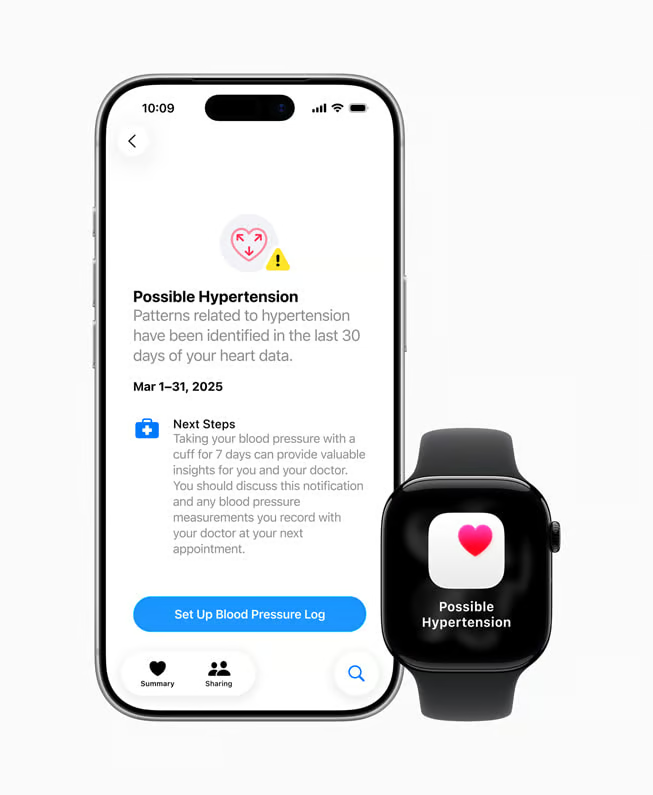
Hypertension often develops without obvious symptoms. Some people feel completely normal, so years can pass before they realize anything is wrong. On Apple Watch Series 9 and later, as well as Apple Watch Ultra 2 and later, hypertension notifications review patterns over 30 days and may alert the wearer when they repeatedly suggest possible chronic high blood pressure.
No traditional blood pressure number appears on the watch. Apple recommends using a separate cuff for seven days after an alert, then sharing the results with a healthcare provider. Model and country availability vary, and the feature will not identify every case.
Samsung Galaxy Watch: When snoring may be more than an annoyance
Galaxy Watch can keep readings from supported CGM apps within easy reach. Wearing it through the night opens another useful window into health, especially for people who snore or regularly wake up feeling tired.
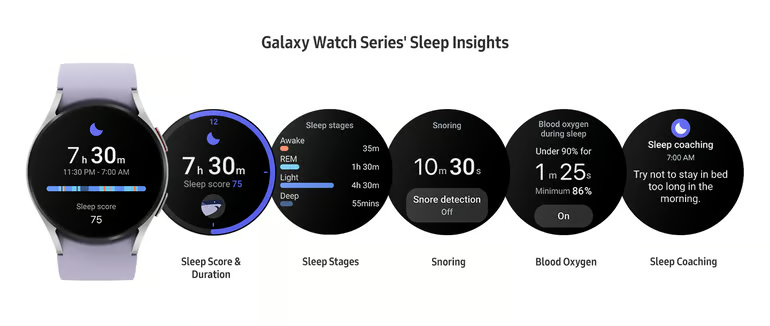
Compatible models can use Samsung Health Monitor to look for signs associated with moderate-to-severe obstructive sleep apnea. The feature works on Galaxy Watch4 and newer models, though regional availability still applies. Users wear the watch for at least two nights before viewing the result on a connected Galaxy phone.
Snoring is easy to brush off as an annoyance. Morning headaches or constant tiredness can also feel like the result of a busy week. A possible sleep apnea result gives someone a clearer reason to discuss those experiences with a doctor. Samsung does not treat it as a diagnosis, and a clinical sleep study may still be needed.
Google Pixel Watch: Calling for help when you cannot
Pixel Watch can display glucose data via compatible Wear OS apps. Its most distinctive health feature is built for a far more urgent moment, when the wearer may no longer be able to reach a phone or call for help.
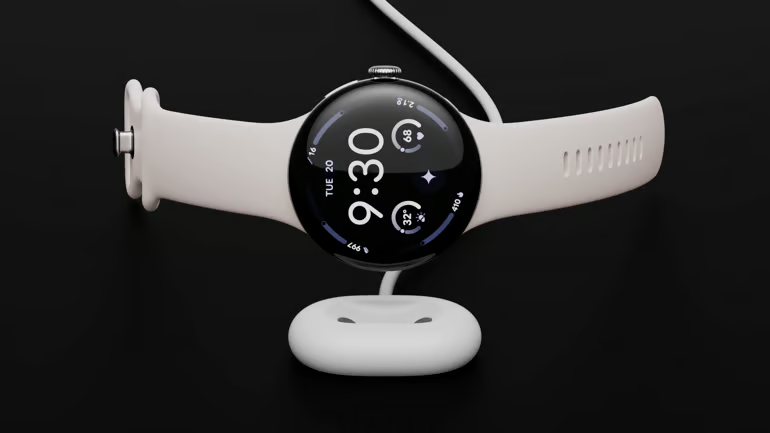
On Pixel Watch 3 and Pixel Watch 4, Loss of Pulse Detection can respond when a supported Pixel Watch stops detecting a pulse and the wearer does not react. Vibration and sound give the person time to cancel an emergency countdown. Without a response, the watch can attempt to call emergency services and share its location.
Loss of pulse can happen during cardiac arrest or another life-threatening emergency. Pixel Watch cannot predict the event or explain why it happened. Google also warns that the feature may not catch every case. Its purpose is to seek help when seconds count, and the wearer cannot do it alone.
What's hot at TechRepublic
- Blackpoint Cyber vs. Arctic Wolf: Which MDR Solution is Right for You?
- Why AWS Sellers Choose Deepgram Over Other Voice AI Tools
- SS&C Intralinks DealCentre AI vs. Datasite: Which platform is built for the future of dealmaking?
- SS&C Intralinks FundCentre AI vs. Juniper Square: Which platform better supports modern private markets fund managers?
- Verito vs. Rightworks: Which IT Provider Is Best for Your Firm?
Garmin: Catching an irregular rhythm when it happens
Garmin can place Dexcom glucose readings near workout information on supported watches. A device already on the wrist during a run, ride, or ordinary day can also help when a fluttering or racing heartbeat appears without warning.
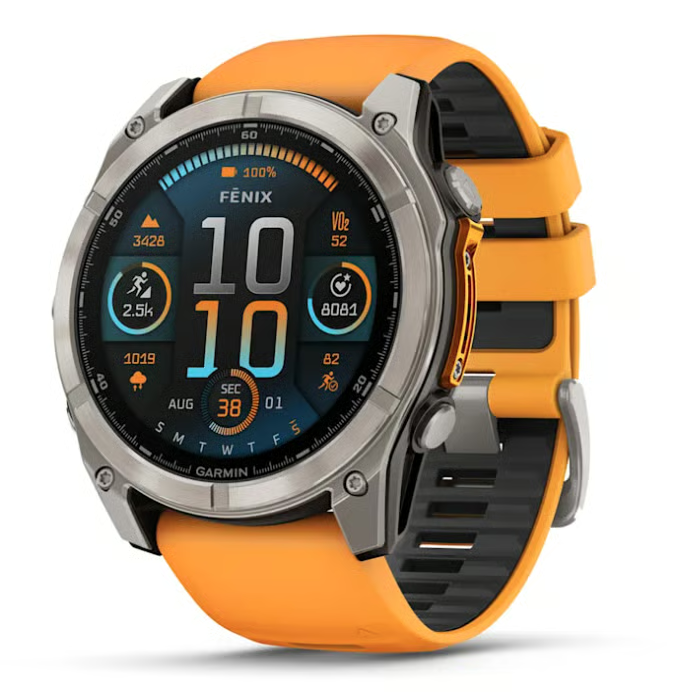
Garmin’s ECG app lets wearers record their heart rhythm while the unusual sensation is still happening. The result may appear normal, remain unclear, or show possible signs of atrial fibrillation.
AFib can come and go, so the rhythm may be back to normal by the time someone sees a doctor. A recording made during the episode gives the wearer something concrete to share. Availability depends on the Garmin model and region, and a clinician may still recommend further testing.
Huawei Watch: Looking for diabetes risk
Huawei approaches blood sugar from a different direction. Selected watches do not provide live glucose numbers from the wrist. Instead, they review several days of daily health data for patterns that may indicate a higher risk of diabetes.
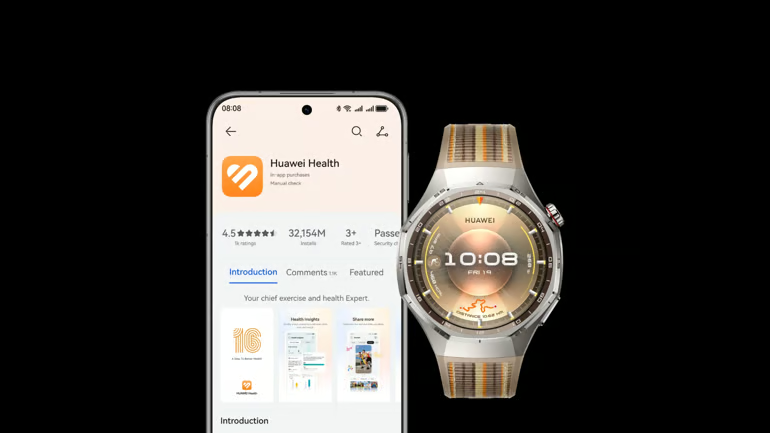
On the Huawei Watch GT 6 Pro, Huawei’s Diabetes Risk Study reviews between three and 14 days of data before giving a Low, Medium, or High result. Sleep habits and movement contribute to the assessment, along with heart-related signals collected during normal wear.
A Medium or High result does not mean someone has diabetes. For a person with a family history of Type 2 diabetes, repeated alerts may provide a reason to request a proper blood sugar test. Huawei limits the feature to selected devices and regions. It is also not intended for people managing Type 1 or gestational diabetes.
From daily tracking to emergency response
Smartwatch health tools can support you in two very different situations. Daily tracking can build a record of changes over time, giving you something specific to raise at a checkup.
Emergency features serve a different role. During a crisis, speed becomes more important than history, and some watches can contact help within seconds.
A smartwatch always tells time. The right one may give you more of it.
Learn how today’s top wearables handle blood sugar data and where Apple, Garmin, Samsung, Oura, Withings, Huawei, and Evie Ring differ.