


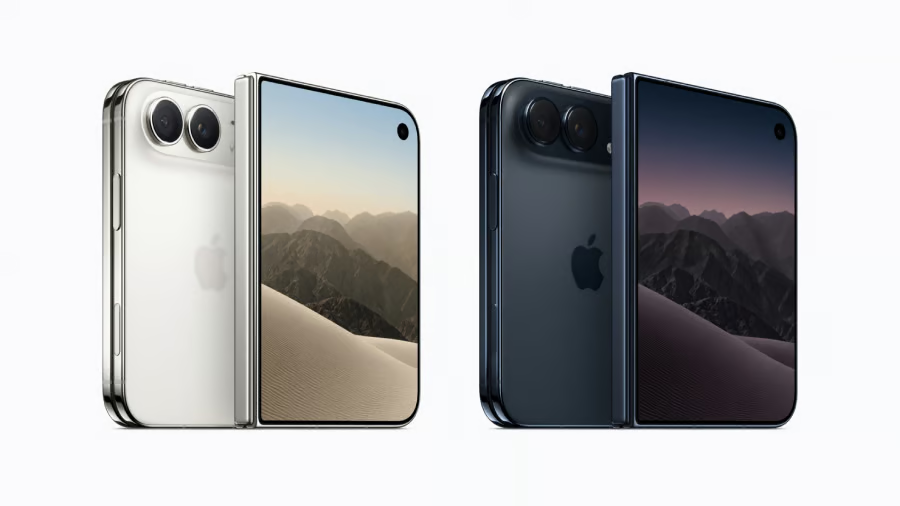
Apple’s first foldable iPhone is already testing buyers’ patience, with delivery estimates stretching into late January just minutes after preorders opened.
Preorders for the $1,999 iPhone Duo began Oct. 16, ahead of its Oct. 23 launch. But shipping estimates quickly slipped from launch day to November, December, and eventually January 2027, leaving some customers facing a wait of more than three months.
Apple acknowledged the response in a statement to Bloomberg, saying, “The pre-order demand for iPhone Duo, our first foldable iPhone, has been nothing short of extraordinary.”
The company said it was working to deliver the device as quickly as possible and would continue accepting online orders. However, it did not confirm whether Apple Stores would have enough launch-day inventory for customers who missed the preorder window.
Strong interest meets production constraints
The rush does not necessarily mean demand alone explains the shortage. Reports before launch suggested Apple was struggling to ramp up production of the complex foldable design, leaving the company potentially short of inventory from the outset. Apple has not disclosed how many units were available for preorder.
Long delivery delays can signal strong demand, limited supply, or both. Without preorder figures or details about Apple’s initial inventory, it’s impossible to know which factor is driving the shortage.
Still, analysts see substantial commercial potential. Bloomberg Intelligence analysts Anurag Rana and Josh Christensen previously projected 14 million units sold and $28 billion in revenue for the iPhone Duo in Apple’s fiscal 2027. They said sales could exceed those estimates.
A $1,999 bet on foldable phones
The iPhone Duo opens from a 5.4-inch outer display into a 7.6-inch inner screen, Apple’s largest iPhone display to date. It also includes two 48-megapixel cameras and supports multitasking features such as drag-and-drop functionality and Apple Pencil input.
The device enters a market where Samsung and Google already sell foldable phones. Apple is betting that its hardware design and integration with the existing iPhone ecosystem can attract buyers willing to pay a premium. The Duo starts at $1,999, while the top configuration costs over $3,000.
If demand truly outpaces production, the Duo could remain difficult to obtain for months, a dynamic that fuels reseller markets. eBay listings already show the 2TB model, which retails for $3,199, selling for nearly $5,000, MacRumors reported.
Must-read Apple coverage
- Nearly 7 in 10 iPhone Owners Plan iPhone 17 Upgrade
- Apple Prepares AI-Powered Siri Upgrade With Google Search Integration
- Apple’s Xcode 26 Beta Now Supports GPT-5 and Claude
- Apple’s Vision Pro Adoption Stalled As Content Released ‘Drip by Drip’
What this means for would-be buyers
If you didn’t get a preorder, you still have options, but each has limits:
- Check Apple Store availability: Look for pickup options before launch day. Walk-in inventory has not been confirmed, and availability may vary by location.
- Call your carrier: AT&T, Verizon and T-Mobile may handle supply differently from Apple, so stock could vary from one to the next.
- Order online anyway: Apple is still taking orders. Getting in the queue now means a January delivery, but you’ll have a spot.
- Pass on the resale market: Paying about $1,800 over list price for a phone no reviewer has tested is a risky bet. Prices could also fall once supply improves.
- Check your trade-in value: Trade-in offers and Apple’s Upgrade program could lower your out-of-pocket cost, so run the numbers before you commit.
If you’re open to other brands, Android foldables like the Samsung Galaxy Fold 8 and Google Pixel 11 Pro Fold are already available. For those willing to wait, more iPhone Duo inventory could arrive after launch, while early reviews should offer a clearer picture of whether Apple’s first foldable is worth its $1,999 starting price.
Other news: Apple is reportedly preparing an Oct. 28 hardware event that could feature its first touchscreen MacBook Pros, M6-powered Macs, and an OLED iPad mini.