


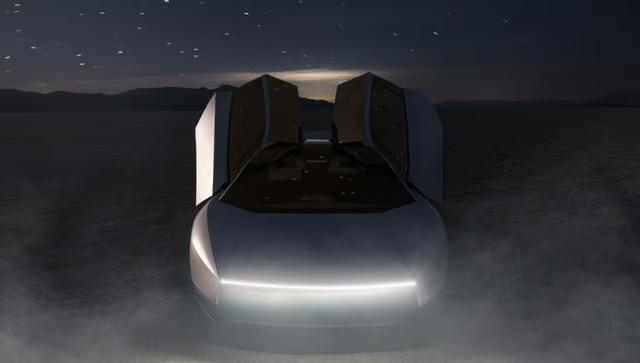
A car driving upside down would usually be enough to make headlines. Tesla went further and sent one into the air.
During an Oct. 15 unveiling in Texas, Tesla demonstrated a redesigned version of its Roadster, an electric sports car first announced in 2017. Engineers from SpaceX helped develop the specialized hardware used in the prototype.
The demonstration does not mean every Roadster configuration will offer flight capabilities. For prospective buyers, the key questions are which features their reservation covers, where those features can legally be used, and what protection they have if delivery slips.
How suction and compressed air enable the stunts
Footage from Tesla’s Roadster unveiling at SpaceX‘s McGregor testing facility shows a white prototype climbing a curved ramp and continuing upside down without falling. It then left the ramp, rotated in midair, and landed on its wheels. Another maneuver took the vehicle over a row of parked Teslas.
Tesla attributes the maneuvers to two systems: an underbody suction system and compressed-air thrusters. Powerful fans underneath the vehicle draw air away from the road surface, creating enough suction to keep the tires attached even when inverted. Cold-gas thrusters provide additional force by releasing highly compressed air through nozzles, allowing the car to accelerate upward and control its movement while airborne. Unlike conventional rocket engines, the system does not burn fuel to produce thrust.
Three configurations offer different performance capabilities
Tesla lists three Roadster configurations with different equipment and intended uses. Buyers should distinguish the standard car from versions designed for track use or airborne maneuvers.
| Performance | ||
| Thrust | ||
| Rocket |
Tesla’s original Roadster specifications included a claimed 620-mile range. Existing reservation holders should seek confirmation of the specifications and equipment their reservation now covers rather than assume the original promises apply to the redesigned vehicle.
More about Innovation
- Sovereign AI Explained
- The Rise of the AI-Native Factory
- Why Data Determines AI Success
- SS&C Intralinks DealCentre AI vs. Datasite: Which platform is built for the future of dealmaking?
Buyers should examine reservation terms and road-use restrictions
Musk said during the Roadster unveiling that production is targeted for 2028, following several missed launch targets. Tesla also has ambitious schedules for products such as its Optimus humanoid robot; buyers should distinguish those targets from confirmed availability.
Tesla’s US reservation page lists an initial $5,000 payment followed by $45,000 within 10 days, totaling $50,000. Customers should confirm the payment requirements for their selected configuration before reserving. A reservation payment is not the vehicle’s final purchase price.
Anyone considering those payments should examine the US reservation agreement before committing funds. Tesla states that a reservation secures only approximate ordering priority and does not guarantee delivery. The agreement allows either party to cancel before the customer completes vehicle configuration, with a full refund of the reservation payment. Tesla does not hold the funds separately or in escrow and does not pay interest. Customers could therefore leave substantial funds with Tesla for years.
Prospective owners also need to consider the conditions under which they could eventually operate their vehicles. Several checks are worth making before placing or maintaining a reservation.
- Existing reservation holders. Compare the original Roadster specifications with the updated configurations. Request written confirmation of your reservation status and which version you would receive, particularly if you placed your deposit years ago.
- New customers. Review cancellation and refund procedures before paying. Check the agreement’s arbitration provision, including the deadline to opt out within 30 days after signing, and understand the financial commitment involved without a guaranteed delivery date.
- Buyers interested in flight capabilities. Confirm whether your intended configuration can legally operate in your region. Check insurance eligibility and ask Tesla about maintenance support for specialized thruster equipment before committing additional funds.
The prototype demonstration does not establish what customer vehicles will deliver. Before committing funds, buyers should confirm their configuration’s final specifications, operating restrictions and reservation terms.
More tech news: Grok Voice 3.0 gives businesses another option for automating customer calls, with benchmark performance and API costs central to the decision.