Fiona Jackson is a news writer who started her journalism career at SWNS press agency, later working at MailOnline, an advertising agency, and TechnologyAdvice. Her work spans human interest and consumer tech reporting, appearing in prominent media outlets such as TechHQ, The Independent, Daily Mail, and The Sun.
Expertise
Consumer Tech
Technology News
Education
NCTJ Diploma in Multimedia Journalism (Gold Standard)
Featured In
TechRepublic
TechHQ
TechWireAsia
eWeek
Highlights
<a href="https://www.techrepublic.com/article/ai-generated-code-outages">AI-Generated Code is Causing Outages and Security Issues in Businesses</a> (TechRepublic)
<a href="https://techhq.com/2023/09/how-will-conversational-ai-holograms-impact-business/">Conversational AI holograms for business: What will the impact be?</a> (TechHQ)
<a href="https://techhq.com/2023/08/how-is-the-fast-food-industry-turning-to-ai/">D’you want humans with that? How the fast food industry is turning to AI</a> (TechHQ)
<a href="https://techhq.com/2023/08/are-the-claims-of-superconductor-lk-99-true">“The game is over” for room-temperature superconductivity claim</a> (TechHQ)
<a href="https://www.dailymail.co.uk/sciencetech/article-11723499/Could-ChatGPT-replace-Google-Experts-weigh-win-race-AI-search-engine.html?ico=authors_pagination_desktop">MailOnline looks at whether ChatGPT can put an end to Google’s £120 billion dominance by revamping how we search the net</a> (MailOnline)
<a href="https://www.dailymail.co.uk/sciencetech/article-11925247/The-mobile-phone-turns-50-MailOnline-looks-evolution-device.html?ico=authors_pagination_desktop">The mobile phone turns 50! MailOnline looks back at the evolution of the device</a> (MailOnline)
TechRepublic digs into the business implications of artificial intelligence trends highlighted in Stanford’s AI Index Report, with help from co-authors Robi Rahman and Anka Reuel.
Oxford University researchers used an approach dubbed “blind quantum computing” to connect two quantum computing entities in a way that is completely secure.
Apple recommends that iPhone users install software updates, use strong passwords and 2FA, and don’t open links or attachments from suspicious emails to keep their device safe from spyware.
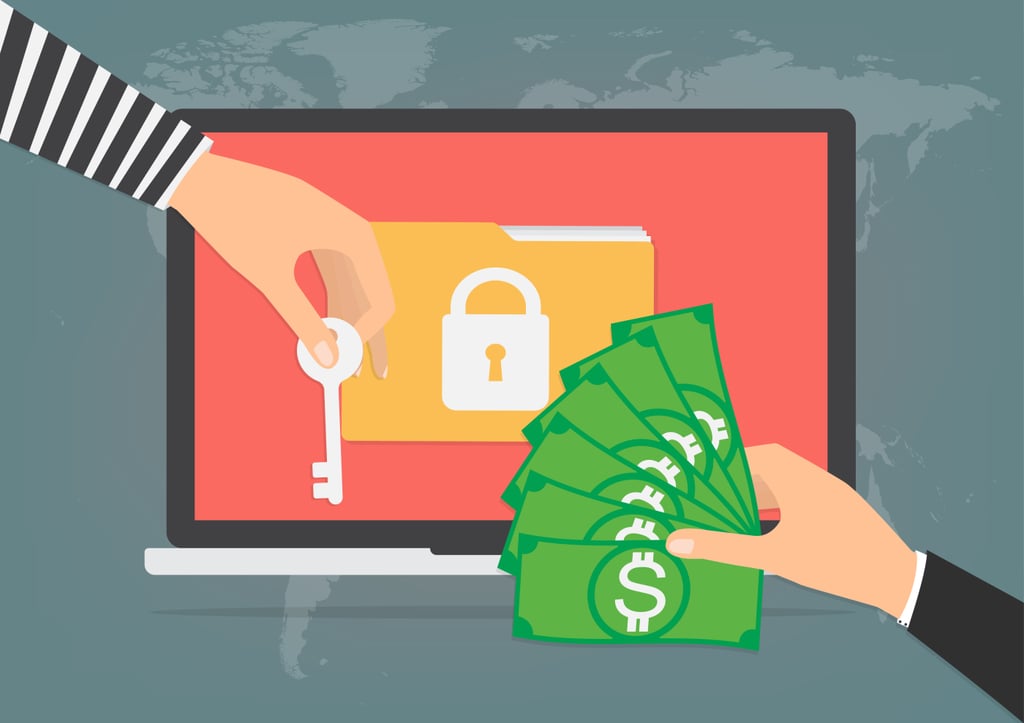
Research has found that criminals can demand higher ransom when they compromise an organisation’s backup data in a ransomware attack. Discover advice from security experts on how to properly protect your backup.