


The US government is in discussions to potentially take a partial ownership stake in Intel, according to an Aug. 18 report by Bloomberg. The deal could help accelerate the construction of Intel’s long-delayed semiconductor manufacturing plant in Ohio.
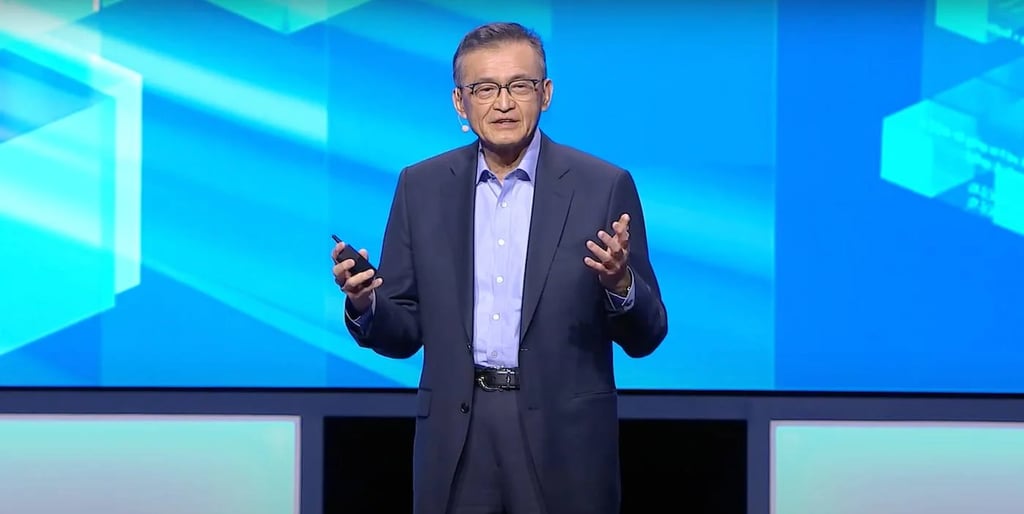
Trump met with Intel CEO Lip-Bu Tan last week, after calling for his resignation just days earlier.
What is the proposed deal between the government and Intel?
The Trump administration may take a stake in Intel by converting some or all of the $10.9 billion allotted to Intel under the Biden-era US Chips and Science Act, Bloomberg said. Some or all of the grants could be converted into equity. That money would cover about 10% ownership in the chipmaker. Under the CHIPS act, Intel also has access to $11 billion in loans. Originally, the CHIPS act money was intended to be distributed over time as Intel met certain project milestones.
In addition, Japanese investor SoftBank has announced intent to acquire a $2 billion stake in Intel.
Unorthodox deal would follow rare Earth precedent
The Trump administration has stepped outside typical US government norms in its dealings with businesses. The Defense Department took a $400 million preferred equity stake in rare earth metals producer MP Materials Corp in July, an unprecedented blurring of the lines between government and private industry.
The White House told Bloomberg the Intel stake should be considered “speculation” until the administration releases an official statement.
Intel said it remains “deeply committed to supporting President Trump’s efforts to strengthen US technology and manufacturing leadership” but declined to comment on rumors or speculation, a company representative told Bloomberg on Aug.14.
The deal might help revitalize Intel’s repeatedly delayed factory hub in New Albany, Ohio. Intel plans to invest $28 billion into the 1,000-acre facility, designed to manufacture advanced semiconductors for foundry customers. In early 2025, Intel pushed back the proposed opening of the Ohio facility to 2030. Intel delayed the timeline again in July.
What's hot at TechRepublic
- Blackpoint Cyber vs. Arctic Wolf: Which MDR Solution is Right for You?
- Why AWS Sellers Choose Deepgram Over Other Voice AI Tools
- SS&C Intralinks DealCentre AI vs. Datasite: Which platform is built for the future of dealmaking?
- SS&C Intralinks FundCentre AI vs. Juniper Square: Which platform better supports modern private markets fund managers?
- Verito vs. Rightworks: Which IT Provider Is Best for Your Firm?
Intel’s chip business struggled in the last few years
The postponement of the Ohio factory came in a downturn for the company. Intel leadership laid off 75,000 people, or 15% of the workforce, in late July. The cuts were intended to accelerate decision-making and eliminate internal bottlenecks, Tan said. He had inherited the challenge of turning “Team Blue” around after former CEO Pat Gelsinger departed the company.
Despite making high-demand semiconductors, Intel has fallen by the wayside compared to competitors like NVIDIA, AMD, and TSMC. Major customers like Apple have switched away from Intel. Apple, for example, completed its transition to in-house chips in 2023.
Tech companies have hurried to align with Trump’s plans for more tech initiatives in the US, with Google committing $9 billion to data centers and AI infrastructure in Oklahoma.