


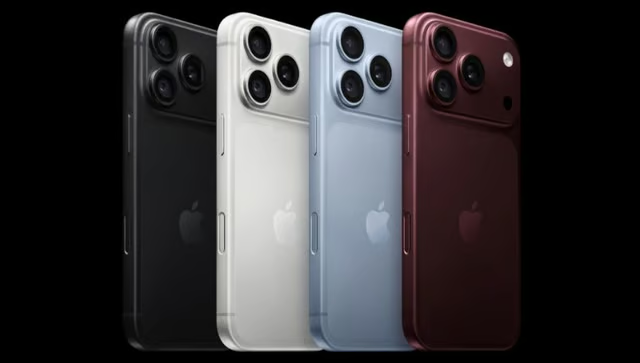
Apple’s iPhone 18 Pro promises up to 36 hours of video playback. But how much better is that than the iPhone already in your pocket?
According to Apple’s official specifications, the US-market iPhone 18 Pro delivers three more hours of rated video playback than the iPhone 17 Pro, nine more than the iPhone 16 Pro, and 13 more than the iPhone 15 Pro. Those improvements could make upgrading more attractive to owners of older devices, particularly those struggling to get through a full day on one charge.
For professionals who rely on their phones for video calls, emails, navigation, and other everyday tasks, the bigger question is whether those additional hours justify spending at least $1,199 on a new device in the US.
iPhone 18 Pro battery life compared to the iPhone 17, 16, and 15 Pro
Apple rates the US-market, eSIM-only iPhone 18 Pro for up to 36 hours of video playback and 33 hours of streamed video playback. Battery specifications can vary by region and model, so buyers outside the US should check the specifications for their market.
Here’s how Apple’s US-market battery-life estimates compare across four generations of Pro models.
| iPhone 18 Pro | Up to 36 hours | Up to 33 hours | Baseline |
| iPhone 17 Pro | Up to 33 hours | Up to 30 hours | +3 hours |
| iPhone 16 Pro | Up to 27 hours | Up to 22 hours | +9 hours to +11 hours |
| iPhone 15 Pro | Up to 23 hours | Up to 20 hours | +13 hours |
| Source: Apple's US-market technical specifications. Figures are manufacturer-rated estimates from separate testing periods, not results from a single independent comparison. Regional models and actual battery life may differ. |
|||
The largest battery-life improvement among the models compared is between the iPhone 15 Pro and iPhone 18 Pro. Apple’s published video playback ratings rise from 23 hours on the iPhone 15 Pro to 36 hours on the US-market iPhone 18 Pro, representing an approximately 57% increase in rated endurance.
The difference between the 17 Pro and 18 Pro is smaller, at approximately 9%. That may still matter to heavy users, but the specifications alone don’t establish whether it translates into a noticeably longer workday.
Apple also rates the US-market iPhone 18 Pro for up to 24 hours of typical use, based on a representative mix of everyday activities such as messaging, browsing, navigation, and streaming. This is a separate measurement from continuous video playback, and actual battery life depends on usage patterns, connectivity, and other conditions. Apple does not publish directly comparable typical-use estimates for all three older Pro models.
Apple attributes the latest battery improvements to redesigned batteries and improvements in power efficiency. Its September iPhone 18 Pro announcement also highlights the A20 Pro chip and redesigned thermal system.
Charging is another consideration. Apple says the iPhone 18 Pro can reach 50% charge in approximately 15 minutes using a compatible 60W-capable adapter with Adjustable Voltage Supply and a USB-C cable. The iPhone 17 Pro can reach 50% in approximately 20 minutes with a 40W or higher adapter, while the iPhone 16 Pro and 15 Pro are rated for approximately 30 minutes with compatible 20W or higher adapters under their respective test conditions.
These estimates are based on charging depleted devices, and actual speeds may vary depending on the adapter, battery temperature, and other conditions. Those differences could be useful when charging between meetings, during travel, or before leaving the office.
TechRepublic previously examined the broader hardware trade-offs in its iPhone 18 Pro vs. iPhone 17 Pro comparison.
Must-read Apple coverage
- Nearly 7 in 10 iPhone Owners Plan iPhone 17 Upgrade
- Apple Prepares AI-Powered Siri Upgrade With Google Search Integration
- Apple’s Xcode 26 Beta Now Supports GPT-5 and Claude
- Apple’s Vision Pro Adoption Stalled As Content Released ‘Drip by Drip’
What the iPhone 18 Pro’s battery improvements mean for users
For iPhone owners who spend their days moving between meetings, answering emails, joining video calls, and navigating between locations, battery life can directly affect productivity. The question is whether the iPhone 18 Pro offers enough additional battery life to justify replacing a phone that still works.
The answer depends largely on which iPhone you own and how you use it.
- iPhone 17 Pro owners: Apple’s three-hour increase in rated video playback is relatively modest for the US-market models compared here. If your phone already makes it through a full workday, upgrading primarily for battery life may not be worth the expense.
- iPhone 16 Pro owners: The nine-hour increase in Apple’s video playback rating gives them a stronger reason to consider upgrading. However, independent testing across video calls, navigation, and mobile hotspot use would provide a better indication of the improvement during a typical workday.
- iPhone 15 Pro owners: Apple’s 13-hour increase in rated video playback provides the strongest battery-related argument for upgrading. Owners whose original batteries have lost capacity may notice a particularly large improvement, although part of that difference would come from replacing an aging battery with a new one.
For IT departments managing company-issued iPhones, the decision also has budget implications. Replacing dozens or hundreds of devices solely for better battery life could be difficult to justify, particularly when battery replacements may extend the useful life of existing phones at a lower cost.
Individual users should check their battery health before purchasing a replacement device. On iPhone 15 and newer models, go to Settings > Battery > Battery Health to review maximum capacity and battery condition. If the phone recommends battery service, compare the cost of replacing its battery with the price of upgrading. For an otherwise functional iPhone, battery replacement may be the more economical option.
It’s also worth remembering that Apple’s video playback estimates don’t represent typical workday usage. Video calls, weak cellular connections, screen brightness, and background applications can all reduce endurance.
For buyers weighing other improvements alongside battery life, TechRepublic’s iPhone 18 Pro cheat sheet covers the broader specifications and features. The publication has also examined alternatives to the iPhone 18 Pro under $1,000.
Based on Apple’s US-market video playback ratings, the iPhone 18 Pro offers a larger battery-life improvement over the iPhone 15 Pro and 16 Pro than over the 17 Pro. Whether those gains justify upgrading depends on each owner’s battery health, usage patterns, and budget.
More Apple news: Before upgrading, check out TechRepublic’s guide to 7 iPhone settings that help your battery last longer to see how simple adjustments can extend your current phone’s battery life.