


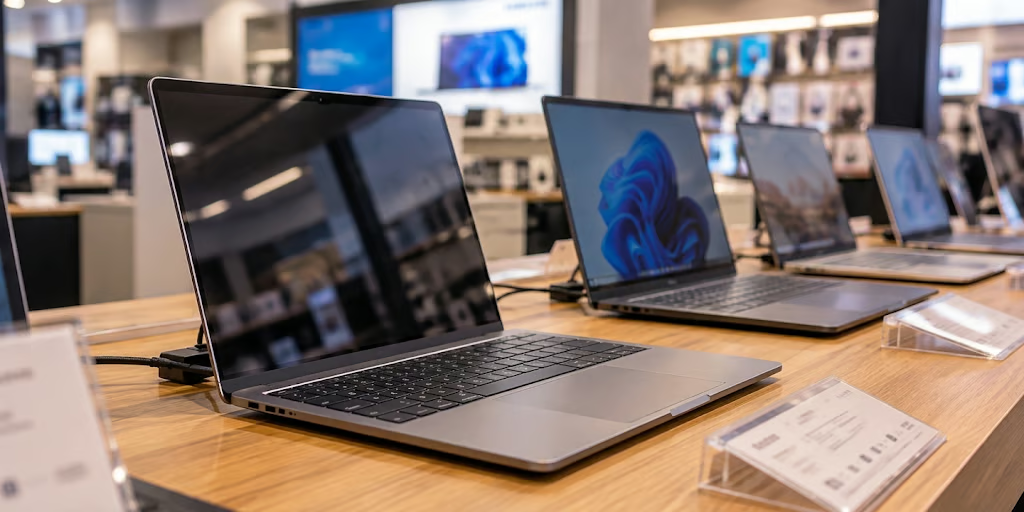
Waiting for laptop prices to drop? You might be waiting longer than expected.
Global PC shipments fell 20.1% in the third quarter of 2026, according to preliminary figures from market research firm IDC. Meanwhile, rising memory costs and supply constraints are putting pressure on computer prices, with IDC projecting an 18.3% increase in average PC selling prices for 2026.
For consumers planning a laptop upgrade and businesses preparing to replace aging computers, the numbers raise an important question: Is it better to buy now or wait for prices to improve?
PC shipments plunge 20% as prices remain elevated
According to IDC’s Oct. 8 report, preliminary worldwide PC shipments fell 20.1% year over year to approximately 62.7 million units in the third quarter of 2026, compared with 78.5 million units a year earlier.
The downturn affected major manufacturers, with Lenovo’s shipments falling 22.6%, HP’s declining 30.9%, and Dell’s dropping 25% year over year. IDC’s figures measure PCs shipped to distribution channels or end users, rather than retail purchases alone.
IDC attributed the downturn in part to manufacturers and distributors purchasing inventory earlier in 2026, ahead of anticipated memory-related price increases. That activity shifted shipments into the first half of the year, leaving the third quarter without its usual seasonal boost. Continued supply constraints, elevated prices, and logistical disruption added further pressure.
In its June 2 PC market outlook, IDC forecast an 11.3% decline in worldwide PC shipments for 2026 and warned that meaningful relief from memory shortages was unlikely before the end of 2027.
According to IDC’s PC market forecast, average PC selling prices are projected to rise 18.3% in 2026. The firm also expects prices to remain above 2025 levels even as memory supplies eventually improve. These projections reflect industrywide averages rather than increases expected for every individual computer.
Retail discounts and excess inventory could still provide opportunities for buyers. However, the broader outlook suggests that a sustained return to earlier pricing levels may take time.
The findings follow TechRepublic’s coverage of Micron’s memory shortage warning, which examined how AI-driven demand could keep memory and storage supplies tight through 2028.
Why AI demand is making computers more expensive
One of the biggest pressures on PC pricing comes from the rapid expansion of AI infrastructure.
Data centers require substantial amounts of memory and storage, placing additional demands on semiconductor manufacturers already operating with limited production capacity. In its memory market analysis, IDC explained that growing demand for AI infrastructure is competing with consumer devices for DRAM and NAND memory capacity.
The effects extend beyond AI servers. Traditional laptops and desktops also rely on memory and storage components, leaving PC manufacturers exposed to higher costs.
The shift has benefited some semiconductor suppliers. As TechRepublic recently examined, Samsung’s earnings outlook reflects strong AI memory demand, which has helped drive higher chip prices and improved expectations for Samsung’s semiconductor business.
For PC buyers, rising component costs are already contributing to higher prices, while manufacturers may also respond by adjusting memory configurations or limiting lower-cost options.
Still, competition among manufacturers and temporary promotions could offer some buyers more affordable options. Higher industrywide average prices do not necessarily mean every model or configuration will become more expensive.
Should you buy a new PC now or wait until 2027?
The answer depends on how urgently you need a replacement and whether your current computer can still meet your requirements.
IDC expects memory shortages to keep pressure on PC prices through 2027, though not every computer will become more expensive. Individual prices will continue to depend on manufacturer pricing, configurations, inventory levels, and retailer promotions.
For buyers who need a computer immediately, comparing current configurations and discounts may be more useful than waiting for an uncertain market recovery. Those whose existing machines still perform adequately have more flexibility to monitor pricing.
Before making a purchase, buyers should consider:
- Current performance: If your computer handles everyday tasks reliably and continues to receive security updates, replacing it may not be urgent.
- Memory and storage requirements: Choose specifications that will remain useful for several years, particularly when purchasing laptops with limited upgrade options.
- Total cost: Compare the complete configuration, warranty, and support period rather than focusing only on the advertised starting price.
For readers comparing alternatives, TechRepublic’s guide to Chromebook alternatives examines Windows laptops, MacBooks, and other options at different price points.
What higher PC prices mean for businesses
For IT departments, the implications extend beyond the cost of purchasing a single computer.
Organizations replacing dozens or hundreds of devices could face higher procurement costs, tighter inventory, and difficult decisions about when to refresh existing hardware.
Businesses may benefit from reviewing their replacement schedules, requesting updated supplier quotes, and prioritizing devices that are no longer secure or reliable. Extending hardware lifecycles can reduce immediate spending, but older computers may introduce maintenance expenses, performance limitations, and security risks.
IT teams should also account for operating system compatibility, warranty coverage, and device management requirements before delaying replacements.
TechRepublic’s enterprise laptop buying guide offers additional considerations for organizations evaluating secure, manageable devices.
With IDC expecting memory shortages to persist through 2027, consumers and IT teams should not assume that postponing a purchase will guarantee lower prices. Instead, they should weigh current discounts against hardware requirements, security support, and replacement schedules to determine when an upgrade makes financial and operational sense.
Also read: For buyers concerned about rising PC prices, TechRepublic’s guide to the best budget laptops under $800 highlights five affordable options and features to compare before purchasing.