


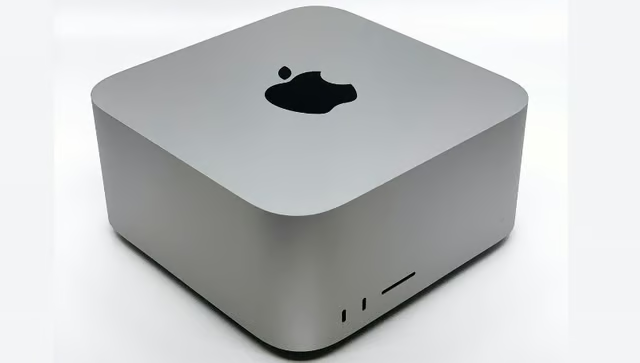
Apple shipped fewer Macs in the third quarter but gained market share as Lenovo, HP, and Dell recorded sharper declines.
The iPhone maker shipped 5.9 million Macs in the third quarter of 2026, an 11.3% decline from 6.7 million units a year ago, preliminary figures from research firm IDC Research show. Yet, despite shipping fewer devices, Apple’s share of the global personal computer market climbed from 8.5% to 9.5%, leaving the company in fourth place worldwide.
Apple’s volume drop came amid a severe global retreat. Worldwide shipments of traditional PCs tumbled 20.1% year-over-year to 62.7 million units, down from 78.5 million in the third quarter of 2025. Shipments also declined 9.1% sequentially from the second quarter, completely missing the seasonal bump normally delivered by back-to-school buying.
According to IDC, vendors and distribution partners stocked up earlier in 2026 ahead of anticipated memory-driven price increases. Those earlier purchases reduced third-quarter orders as partners worked through existing inventory.
Leading Windows makers endured steep corrections. Top-ranked Lenovo saw shipments slide 22.6% to 14.9 million units. HP Inc. recorded the largest decline among the top five vendors, with shipments falling 30.9% to 10.3 million units, while Dell Technologies dropped 25% to 7.6 million. ASUS proved the most resilient among the top five, falling 8.6% to 5.5 million units.
“Vendors and channels loaded up on inventory early in the year to get ahead of price hikes,” said Jitesh Ubrani, research director for consumer devices at IDC.
Must-read Apple coverage
- Nearly 7 in 10 iPhone Owners Plan iPhone 17 Upgrade
- Apple Prepares AI-Powered Siri Upgrade With Google Search Integration
- Apple’s Xcode 26 Beta Now Supports GPT-5 and Claude
- Apple’s Vision Pro Adoption Stalled As Content Released ‘Drip by Drip’
What IT buyers should consider before upgrading
IDC says inventory pressure could bring short-term promotions, but overall PC prices are expected to remain above year-ago levels. For Mac buyers, check model-specific pricing and availability, particularly given Apple’s previously reported Mac mini and Mac Studio supply constraints.
For businesses planning a hardware refresh, start with comparable supplier quotes. Check the processor, memory, storage, warranty, and delivery date rather than comparing advertised starting prices. A discounted configuration offers limited value if it cannot support the applications employees need.
Prioritize replacements where aging hardware is disrupting work or approaching the end of required software support. For machines that still meet performance and security requirements, extending their service life may be an option, provided IT weighs repair costs, downtime, and support needs against replacement costs.
Teams considering a move between Windows PCs and Macs should also account for application compatibility, device management, accessories, and employee support. A lower purchase price can be offset by the work required to integrate a different platform.
The purchasing decision should therefore rest on actual configurations and operating costs. Treat promotions as an opportunity to reassess quotes, while keeping refresh plans tied to business needs.
Read more: Understand why Micron expects memory shortages to persist through 2028 and how that outlook could affect PC costs and hardware refresh planning.