


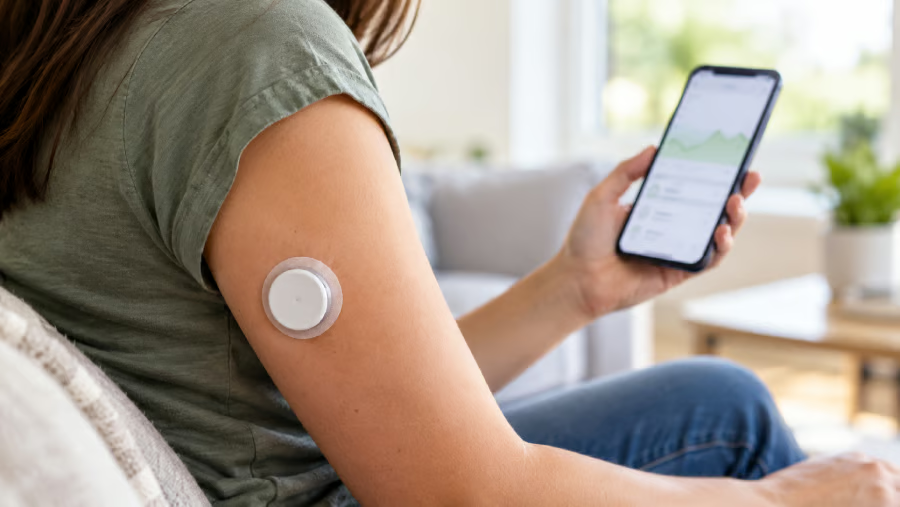
For Canadians managing diabetes, replacing a glucose sensor is another recurring task. Dexcom’s newest monitor aims to make it less frequent.
The Dexcom G7 15 Day continuous glucose monitoring (CGM) system will arrive in Canada in November for adults 18 and older with diabetes. It offers 15 days of regular wear plus a 12-hour grace period, potentially reducing the need for replacements and interruptions. Dexcom also expects broad insurance reimbursement, although coverage rules and device compatibility may affect who can switch right away.
Fifteen days of wear could mean fewer sensor changes
In its Oct. 28 announcement, Dexcom said the Health Canada-authorized device provides real-time readings for up to 15.5 days, including the grace period. If each sensor lasts the full 15 days, users could need roughly two per month.
Fewer changes could save time and reduce equipment being discarded.
“Having a CGM that lasts longer means one less thing to manage and fewer interruptions to my routine,” said Malcolm Kelly, a Dexcom Warrior living with type 2 diabetes, in the company’s announcement.
Dexcom reported an overall mean absolute relative difference (MARD) of 8.0%, which measures how closely readings match reference glucose values. Features include direct Apple Watch connectivity, customizable alerts, caregiver sharing, and Dexcom Clarity for reviewing glucose trends.
The longer-lasting G7 is one approach to making glucose monitoring less disruptive. Researchers are also testing implantable glucose monitors that could reduce the need for wearable sensors altogether.
Insurance coverage is expanding, but costs remain unclear
Dexcom said many eligible Canadians with type 1 and type 2 diabetes will qualify for public reimbursement starting in November. Private insurance plans already covering CGMs are expected to add the G7 15 Day that month.
The company hasn’t identified the provincial programs involved, detailed eligibility rules, or announced a Canadian retail price. People already using a CGM should check whether their plan covers this particular sensor and when reimbursement begins.
Affordability also matters for people considering CGMs for the first time. Recent research has found benefits for some adults with type 2 diabetes who don’t use insulin, but the ongoing cost of sensors could still influence their decision.
What's hot at TechRepublic
- Blackpoint Cyber vs. Arctic Wolf: Which MDR Solution is Right for You?
- Why AWS Sellers Choose Deepgram Over Other Voice AI Tools
- SS&C Intralinks DealCentre AI vs. Datasite: Which platform is built for the future of dealmaking?
- SS&C Intralinks FundCentre AI vs. Juniper Square: Which platform better supports modern private markets fund managers?
- Verito vs. Rightworks: Which IT Provider Is Best for Your Firm?
Insulin pump compatibility could delay some upgrades
A longer-lasting sensor may not be an immediate option for everyone. Dexcom said it is still finalizing integration with automated insulin delivery partners and hasn’t given a date for when those customers can use the G7 15 Day.
While Apple Watch glucose-monitoring apps can make readings easier to check, viewing glucose data on a watch is different from connecting a sensor to an insulin pump for automated dosing.
Before switching, Canadians should consider three checks:
- Insurance: Ask whether the exact G7 15 Day model qualifies, when coverage starts, and whether copayments or other expenses apply.
- Connected devices: Confirm smartphone and watch compatibility. If using automated insulin delivery, verify support with the pump manufacturer and healthcare provider first.
- Daily routine: Decide whether fewer sensor changes are worth switching from a setup that already works reliably.
For pump users, keeping a compatible monitoring system may matter more than gaining five extra days of regular sensor wear. Others may benefit sooner, once their coverage is confirmed.
The November launch may mean fewer sensor changes, but the most useful upgrade is one that works with a person’s devices, insurance, and diabetes care plan.
Read our coverage of a new diabetes study to learn how continuous glucose monitors can help people with type 2 diabetes improve blood sugar control, even without insulin.